Trump's New Tariffs: Impact on Global Trade and Economy
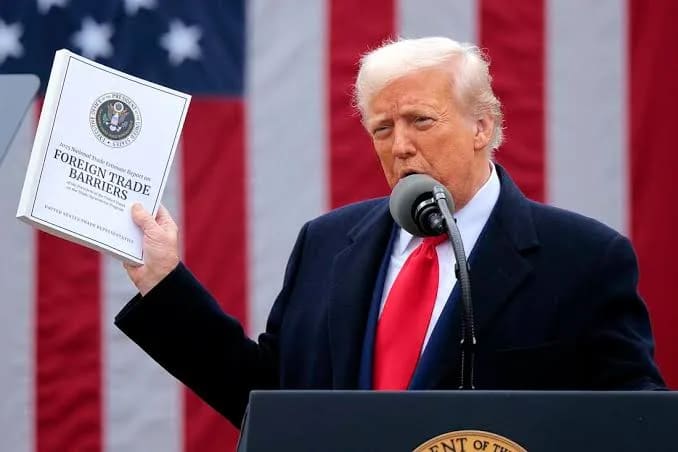
Trump's new tariffs create fresh global trade uncertainty, but legal challenges, negotiations and political opposition could limit their economic impact.
Trump's new tariffs are creating fresh uncertainty in international trade, but their potential economic impact could be less severe than the sweeping measures introduced by the US administration last year. Unlike the sudden tariff announcements made in April, the latest proposals involve longer consultation periods, ongoing negotiations and efforts to establish a stronger legal foundation for trade restrictions.
According to BBC Economics Editor Faisal Islam, governments and international markets are responding more cautiously to the latest announcement. The proposed measures are expected to take effect in January or February, following a consultation process. Furthermore, the announced tariff rates represent maximum limits that could change depending on negotiations with individual trading partners.
The latest developments indicate that the Trump administration is attempting to strengthen its trade policy while maintaining pressure on countries it considers responsible for unfair trade practices and excess industrial capacity.
US Administration Seeks Stronger Legal Support for Tariffs
The latest tariff announcement follows a significant legal setback for the Trump administration after the US Supreme Court struck down the original emergency legal basis used for earlier tariffs. Washington is now exploring alternative legal provisions to maintain its trade restrictions.
US Trade Representative Jamieson Greer has indicated that the administration intends to negotiate with international trading partners over concerns surrounding industrial capacity and trade practices.
The US government argues that several countries, including some of its allies, provide domestic industry support that disadvantages American manufacturers. These concerns are being used to justify additional tariffs under alternative legal frameworks.
However, the administration's approach could face further legal challenges. A group of 25 states has already taken action against the use of forced-labour provisions to support certain tariffs, adding another layer of uncertainty to the policy.
China Remains a Major Focus of Trump's New Tariffs
China continues to face significant pressure under Trump's new tariffs. The existing 20% tariff rate reflects a temporary arrangement reached following trade negotiations between US President Donald Trump and Chinese President Xi Jinping last year.
The agreement is expected to expire in mid-January, potentially creating further uncertainty in US-China trade relations.
Beijing has responded cautiously to the latest developments, avoiding immediate retaliatory measures while rejecting Washington's claims regarding excess industrial capacity. China has instead called for the implementation of the existing trade agreement.
However, China's reliance on the American market has declined considerably. The US share of Chinese exports has fallen to approximately 10% this year, compared with 15% two years ago and 19% in 2018.
This changing trade relationship could reduce Washington's ability to use tariffs as an effective economic pressure tool against Beijing.
Canada and the UK Face Different Trade Challenges
Canada is another important country affected by the evolving US tariff policy. More than half of the tariffs affecting Canadian goods are reportedly authorised under Section 338 of the Smoot-Hawley Tariff Act of 1930.
A Senate proposal to repeal these measures and growing political opposition could create difficulties for the Trump administration. Some Republican lawmakers may also challenge the tariffs, potentially weakening their long-term position.
Meanwhile, Canadian officials and US lawmakers are exploring the possibility of an interim trade agreement to reduce tensions and establish a more stable framework for bilateral trade.
The UK's position is different. Britain was not directly affected by the latest tariff announcement but continues to face additional tariffs under forced-labour provisions. There was also no announced change concerning the UK's digital services tax.
These developments highlight how different trading partners are dealing with separate economic and legal challenges under Washington's changing trade policy.
Political Opposition Could Limit Trump's Tariff Strategy
Domestic political opposition could become another major obstacle to Trump's trade agenda. The upcoming Congress is expected to play an important role in determining the future direction of US trade policy.
Democratic lawmakers have indicated plans to challenge and potentially repeal Trump's tariffs when the new House takes office. The extent of their influence will depend on their legislative position and ability to secure sufficient support.
Political resistance could make it more difficult for the administration to maintain its trade restrictions over the longer term.
As a result, the tariff debate is becoming more than an international trade issue. It is also emerging as a domestic political concern involving manufacturers, businesses, consumers and lawmakers.
Global Businesses Adapt to Changing Trade Conditions
Despite continued uncertainty surrounding US trade policy, businesses worldwide have already started adjusting to earlier tariff measures. Companies are reviewing supply chains, exploring alternative export markets and reducing their dependence on individual trading partners.
The latest announcement could therefore have a different impact from the initial tariff shock. Rather than triggering an immediate global reaction, it may lead to an extended period of negotiations, legal disputes and adjustments in international trade relationships.
For businesses and governments, the main challenge will be understanding how the proposed tariffs develop and whether negotiations can prevent further disruptions to global commerce.
Outlook: Will Trump's New Tariffs Disrupt Global Trade?
Trump's new tariffs remain an important part of the US administration's economic strategy. However, legal challenges, political resistance and changing international trade patterns could limit their effectiveness.
The longer consultation process and possibility of negotiations suggest that the latest measures may not produce the same immediate disruption as last year's tariff announcements.
The coming months will be crucial in determining whether Washington can establish lasting trade restrictions or whether diplomatic negotiations will result in a less disruptive outcome for the global economy.
Source : https://www.bbc.com/news/articles/c6r7g4e3yep1o
Follow The Global Biz Insider for more such News.