Typhoons in East Asia Intensify Amid Strong El Niño
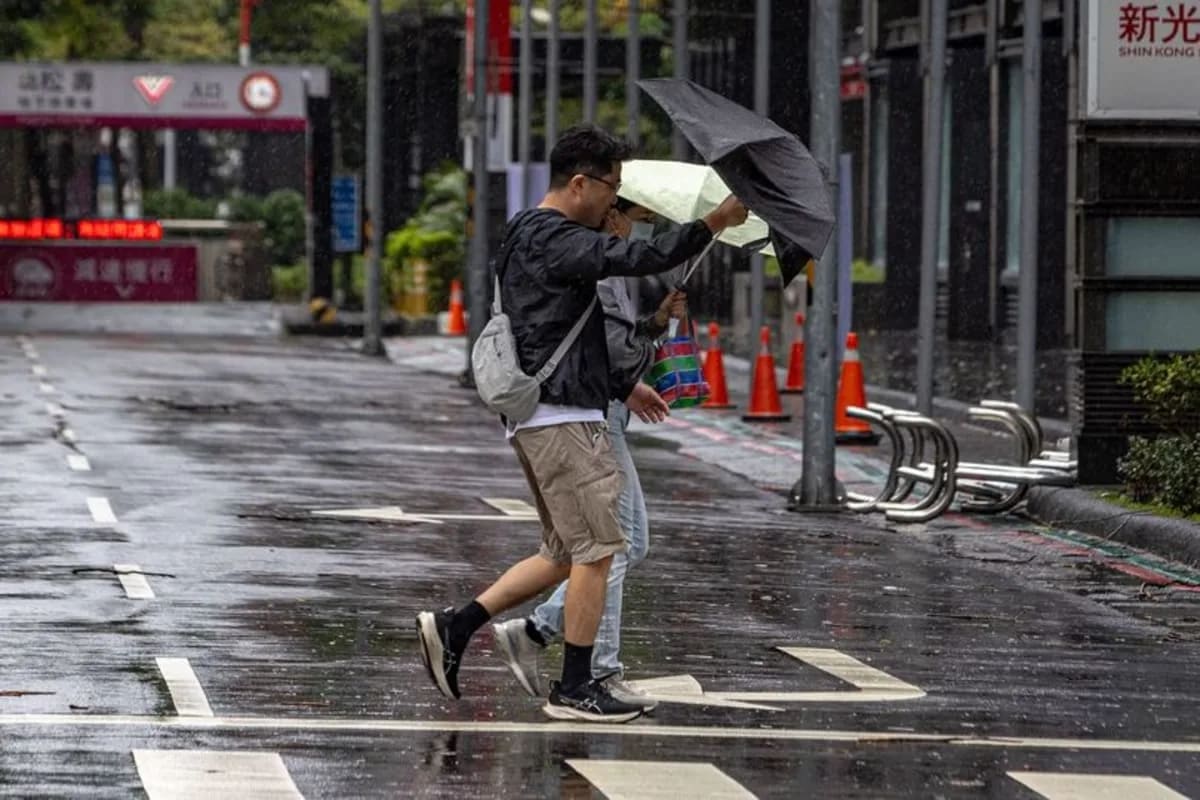
Typhoons in East Asia are intensifying as El Niño heats the Pacific, causing deadly storms, floods and widespread disruption across the region.
Typhoons in East Asia are becoming increasingly powerful and unpredictable as a strong El Niño weather pattern heats the Pacific Ocean to exceptional levels. Countries including the Philippines, Taiwan, China and Japan have experienced a series of destructive storms in recent months, resulting in fatalities, widespread flooding, damaged infrastructure and major travel disruptions.
The unusual weather conditions have raised concerns among climate experts, as warmer ocean temperatures and changing atmospheric patterns are creating favourable conditions for stronger tropical storms across the region.
Powerful Typhoon Champi Disrupts Taiwan and Surrounding Regions
In October, Taiwan experienced a major weather emergency as Typhoon Champi approached its northeastern coastline. The powerful storm recorded wind speeds of approximately 295 kilometres per hour, making it comparable to a Category 5 hurricane.
Although the typhoon did not directly make landfall in Taiwan, it brought heavy rainfall and dangerous sea conditions. Its impact extended beyond the island, with hundreds of flights cancelled across Hong Kong, Taiwan and Japan.
In the Philippines' Batanes archipelago, huge waves forced authorities to close coastal highways. Meanwhile, parts of Japan's Okinawa islands experienced electricity disruptions, affecting around 15,000 homes.
These incidents highlight the growing vulnerability of coastal communities to increasingly intense weather events.
El Niño Is Heating the Pacific Ocean
El Niño is a naturally occurring climate phenomenon associated with unusually warm ocean temperatures in the central and eastern tropical Pacific. It also influences atmospheric circulation and rainfall patterns across different parts of the world.
According to climate assessments highlighted in recent reports, the current El Niño event is contributing to an unusually active storm season in Southeast and East Asia.
The Accumulated Cyclone Energy (ACE) measure, which tracks the combined intensity of tropical storms and cyclones, is forecast to reach nearly twice the 30-year average for Southeast and East Asia in 2026.
Warmer ocean waters provide additional energy to developing storms, potentially allowing them to intensify while moving across the Pacific.
Multiple Typhoons Have Already Caused Widespread Damage
The region has experienced several significant storms since the beginning of the year.
In June, Typhoon Mekkhala and Severe Tropical Storm Higos moved towards Japan's eastern coast, prompting evacuation orders affecting approximately one million people.
In July, Tropical Storm Narra affected China's Guangxi region, flooding villages and displacing tens of thousands of residents.
August brought Super Typhoon Dolphin, which travelled across the Pacific for 16 days before striking eastern China. The storm triggered severe flooding and caused dozens of casualties.
Later that month, Typhoon Saudel made landfall across three southeastern Chinese cities within a week, disrupting transportation networks and forcing thousands of people to evacuate.
These repeated incidents have placed additional pressure on emergency services, local governments and affected communities.
Scientists Warn of More Severe Rainfall and Flooding
Climate researchers are increasingly concerned that rising temperatures could make future storms even more destructive.
A study led by Manila-based climatologist Rafaela Jane Delfino examined how warmer conditions could affect major storms in the Philippines, including the devastating 2013 Super Typhoon Haiyan, also known as Yolanda.
The simulations indicated that higher temperatures could increase total accumulated rainfall by approximately 26%. Such an increase could significantly worsen flooding, particularly in areas already vulnerable to heavy monsoon rains and tropical storms.
The Philippines, which experiences around 20 tropical storms annually, faces considerable challenges in protecting communities, agricultural land and infrastructure from these weather-related disasters.
Countries Strengthen Disaster Preparedness
Governments across East Asia are taking additional measures to reduce the impact of future storms.
- Japan: Authorities have advised residents to stockpile essential supplies and secure outdoor objects that could become dangerous during strong winds.
- China: Officials are identifying vulnerable locations and strengthening weather monitoring and early-warning systems.
- The Philippines: Authorities are increasing support for farmers and preparing for potential disruptions to agricultural production, particularly rice cultivation.
Regional preparedness has become increasingly important as repeated storms threaten transportation, food supplies, livelihoods and economic activity.
Climate Resilience Remains a Major Challenge
The latest series of typhoons highlights the importance of long-term climate adaptation and disaster management across vulnerable coastal regions.
The United Nations Development Programme (UNDP) has warned that governments have limited time to strengthen their preparedness for El Niño-related risks.
Experts emphasise that effective planning requires investment in resilient infrastructure, better water management, reliable early-warning systems and stronger social protection programmes.
As the Pacific Ocean continues to experience unusually high temperatures, countries across East Asia may face further weather-related challenges in the coming months.
The growing intensity of these storms also raises broader questions about how governments can protect communities and economies against increasingly unpredictable climate conditions.
Source : https://www.bbc.com/news/articles/cw33kgj7nkemo
Follow The Global Biz Insider For More Such News Articles .