UK Commits to Time-Bound Talks on Slavery Apology
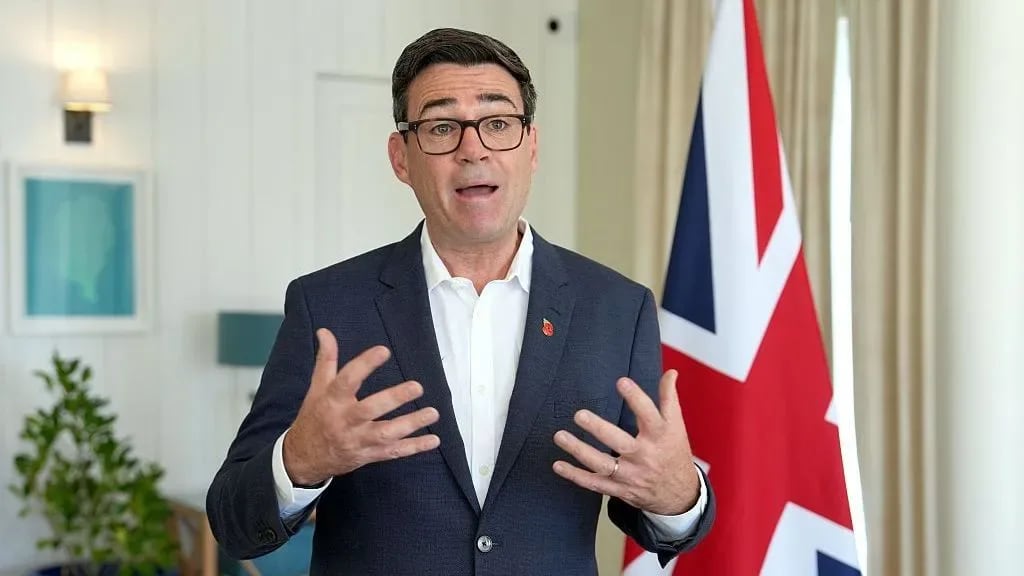
The UK agrees to time-bound talks on a slavery apology, opening discussions on historical harms, reparations, and Commonwealth relations.
The United Kingdom has agreed to participate in structured and time-bound discussions addressing the historical harms of the transatlantic slave trade. The announcement, made during the Commonwealth Heads of Government Meeting (CHOGM) in Antigua and Barbuda, represents an important development in ongoing conversations about historical injustice, accountability, and reconciliation. Commonwealth leaders welcomed the UK government's commitment to inclusive and good-faith dialogue with countries and communities affected by the trafficking and enslavement of Africans.
UK Opens the Door to a Formal Slavery Apology
The announcement follows Prime Minister Andy Burnham's indication that the United Kingdom is open to considering a formal apology for its historical role in the transatlantic slave trade. However, Burnham has clearly ruled out financial reparations, highlighting the government's position that acknowledging historical suffering does not necessarily mean accepting financial liability for past actions. The decision reflects an attempt to balance diplomatic engagement with domestic political and economic considerations.
According to the Commonwealth's joint communiqué, the UK has agreed to engage in structured, time-bound, inclusive, and good-faith discussions with affected parties. The objective is to address the historical harms associated with the transatlantic trafficking of enslaved Africans while encouraging meaningful conversations about the future relationship between Commonwealth nations.
Commonwealth Leaders Push for Historical Recognition
The transatlantic slave trade remains one of the most significant and painful chapters in world history. Millions of Africans were forcibly transported across the Atlantic and subjected to exploitation, violence, and generations of suffering. The consequences of slavery continue to influence discussions about economic inequality, social justice, and historical responsibility across many countries.
Several African and Caribbean nations have consistently called for greater recognition of the lasting effects of slavery. Their demands include formal apologies, discussions about reparations, and initiatives that address inequalities linked to historical exploitation. The latest Commonwealth agreement provides a platform for these concerns to be discussed through diplomatic engagement.
King Charles III Expresses Sorrow Over the Slave Trade
During the Commonwealth meeting, King Charles III addressed the enduring legacy of slavery and acknowledged the profound suffering associated with the transatlantic slave trade. He described it as a shameful chapter of history and expressed deep personal sorrow over its consequences.
His remarks highlighted the importance of recognising historical suffering and maintaining an open dialogue about the past. Although the King did not issue a formal apology, his comments added significance to the discussions taking place among Commonwealth leaders.
Time-Bound Discussions and the Possibility of an Apology
One of the most important aspects of the UK government's announcement is its commitment to time-bound discussions. British officials have indicated that the exact timeframe will be agreed upon later, while Foreign Secretary Ed Miliband has suggested that the talks could conclude within approximately one year.
The possibility of a formal apology before the United Kingdom hosts the G20 leaders' summit in Manchester in November 2027 has also been discussed. However, the final outcome will depend on the progress of negotiations and the positions adopted by participating countries.
The agreement represents a diplomatic effort to establish a process with a clear timeline while allowing affected communities and governments to express their concerns.
Reparations Debate Continues Across the Commonwealth
Although the UK has agreed to discussions about historical harms, the question of reparations remains unresolved. Many Caribbean and African leaders believe that addressing the consequences of slavery requires more than symbolic recognition. They argue that historical exploitation contributed to long-term economic and social inequalities that continue to affect their countries.
The British government, however, has rejected direct financial reparations. Instead, it has indicated an interest in exploring other forms of cooperation, including debt-related support, infrastructure investment, and development initiatives.
This disagreement demonstrates the complexity of the slavery apology debate. While some governments prioritise financial compensation, others emphasise formal recognition, historical education, economic cooperation, and future-oriented partnerships.
What the Agreement Means for Commonwealth Relations
The decision to engage in time-bound discussions could influence the future of relations between the United Kingdom and Commonwealth countries. The Commonwealth provides a platform for nations with shared historical connections to discuss challenges involving development, climate change, trade, and international cooperation.
A structured dialogue could help improve trust and encourage more constructive relationships between Britain and countries affected by the transatlantic slave trade. However, its success will depend on whether the discussions lead to meaningful outcomes that address the concerns of affected communities.
The debate also highlights the continuing importance of historical accountability in international diplomacy. Governments are increasingly being asked to recognise the lasting consequences of colonialism and slavery while developing policies that support equality and sustainable development.
Conclusion
The United Kingdom's commitment to time-bound talks on a slavery apology marks a significant development in the Commonwealth's ongoing efforts to address the historical harms of the transatlantic slave trade. While Prime Minister Andy Burnham has opened the door to a formal apology, the government continues to reject direct financial reparations.
The upcoming discussions will determine whether the agreement leads to meaningful recognition, stronger diplomatic relationships, and a shared approach to addressing historical injustice. As Commonwealth nations continue to debate slavery, reparations, and reconciliation, the outcome of these talks could shape the future of UK-Commonwealth relations.
The issue remains a reminder that understanding historical injustice is essential to building a more equitable and inclusive future.
Source: https://www.bbc.com/news/article
Follow : Global Biz Insider