UK-EU Food Export Deal: Draft Agreement to Scrap Brexit Red Tape
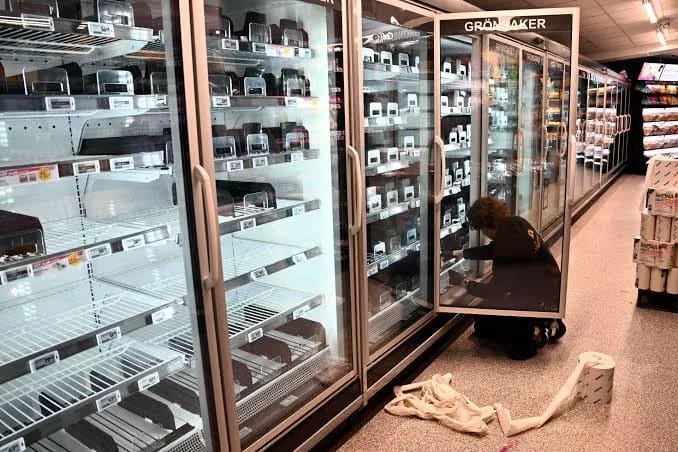
The UK and EU have agreed on a draft UK-EU food export deal to reduce Brexit-related trade barriers, simplify food exports and ease checks on businesses.
The UK-EU food export deal has taken a significant step forward after Britain and the European Union agreed on a draft agreement to remove several trade barriers introduced following Brexit. The proposed agreement aims to simplify the movement of food, agricultural products, plants and animal-related goods between the two markets by reducing paperwork, inspection requirements and additional export costs.
According to reports, the approximately 200-page draft agreement, known as the Sanitary and Phytosanitary (SPS) agreement, has been circulated among EU member states in Brussels for consideration. The development comes ahead of a planned UK-EU summit scheduled for November 20, where leaders are expected to discuss the broader future of economic and trade relations between the two sides.
Brexit Red Tape and Export Costs Could Be Reduced
Since the UK left the European Union's single market, businesses involved in food and agricultural trade have faced additional documentation requirements, border inspections and certification costs. These measures have increased administrative responsibilities for exporters, particularly smaller businesses dealing with perishable products.
Under the proposed UK-EU food export deal, several existing requirements could be removed. These include export health certificates costing approximately £200, phytosanitary certificates costing around £25, inspection fees, organic certification requirements, certain port charges and sampling fees.
The removal of these requirements could reduce the financial burden on British food producers and exporters while helping products reach European markets with fewer administrative delays.
UK Food and Agricultural Exports Could Regain Market Access
The proposed agreement could also reopen opportunities for certain British agricultural and food products that have faced restrictions under post-Brexit trading arrangements.
Exports of fresh sausages, burgers, shellfish sourced from UK waters and seed potatoes could resume under the proposed framework. These changes would potentially provide British farmers, food manufacturers and agricultural businesses with improved access to European customers.
The agreement is also expected to simplify arrangements for pet travel between the UK and EU, including the use of pet passports.
For businesses operating in the food supply chain, fewer border checks and reduced certification requirements could improve delivery schedules, reduce operational expenses and make cross-border trade more predictable.
UK Expected to Align With EU Food Safety Regulations
While the proposed UK-EU food export deal is expected to remove several trade barriers, it would also require Britain to follow relevant European regulations covering food safety, animal health and plant health.
This approach is known as dynamic alignment, under which the UK would adapt its domestic rules to remain aligned with changes in applicable EU standards.
The arrangement is intended to make trade easier by reducing differences between the regulatory systems of both markets. However, it could also limit the UK's ability to independently introduce certain regulatory changes in areas covered by the agreement.
The issue of regulatory alignment is likely to remain an important part of discussions as the UK works towards finalising the agreement with European officials.
Government Estimates £5.1 Billion in Annual Economic Benefits
The British government believes that closer cooperation on food and agricultural trade could eventually generate approximately £5.1 billion in annual economic benefits for the UK.
The expected benefits could come from lower export costs, reduced administrative requirements, improved market access and more efficient supply chains.
Small and medium-sized businesses could particularly benefit from the proposed changes, as certification fees and inspection requirements often represent a significant expense for companies operating with limited resources.
The British Chamber of Commerce has also highlighted concerns among businesses about the administrative difficulties associated with post-Brexit trade arrangements. Its recent findings suggest that many exporters want fewer customs-related delays and simpler procedures when trading with European markets.
UK-EU Summit Expected to Discuss Broader Trade Cooperation
The food export agreement forms part of wider efforts to improve economic relations between Britain and the European Union. Alongside the SPS agreement, draft proposals covering emissions trading and a youth travel and work scheme have also been circulated for consideration.
The upcoming UK-EU summit on November 20 is expected to provide an opportunity for leaders to discuss these proposals and establish the next steps towards closer cooperation.
Although the draft food agreement represents progress in negotiations, its final implementation will depend on the approval process and the arrangements agreed by both sides.
For British exporters, farmers and food manufacturers, the proposed changes could represent an important development in reducing the additional costs and administrative challenges associated with trading with the European Union.
Conclusion
The proposed UK-EU food export deal could reshape the trading relationship between Britain and the European Union by reducing Brexit-related paperwork, certification costs and border checks. If finalised, the agreement could provide greater opportunities for British agricultural businesses while improving the movement of food products across European markets. However, regulatory alignment and final approval will remain important factors in determining how the agreement works in practice.
Source :https://www.bbc.com/news/articles/cmp3grwre9xdo
Follow The Global Biz Insider For More Such News .