UK Fridge Cybersecurity Threat: Supermarkets Take Action
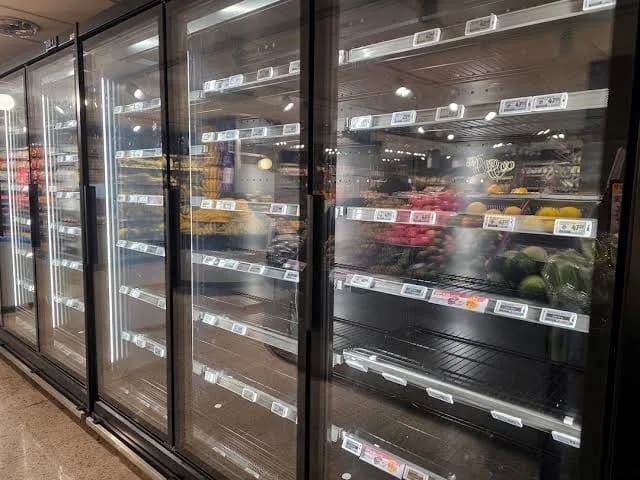
The UK fridge cybersecurity threat has prompted a secret nationwide operation to secure thousands of refrigeration systems from potential hacker attacks.
The UK fridge cybersecurity threat has triggered a secret nationwide security operation involving major supermarkets, warehouses, restaurants, petrol stations and sports stadiums. Tens of thousands of refrigeration units have been secured after cybersecurity researchers discovered vulnerabilities in systems that could potentially allow hackers to interfere with temperature controls.
The operation involved cybersecurity specialists, government agencies and technology teams working together to prevent attacks that could have caused significant financial losses and disrupted food supply chains across the country.
According to a BBC investigation, the security campaign began after researchers identified a major vulnerability in refrigeration control systems commonly used across the UK. Authorities and affected businesses moved quickly to address the issue before cybercriminals could exploit it.
Major Security Operation Targets Refrigeration Systems
The cybersecurity operation was launched after staff at refrigeration consultancy Omega Solutions identified a potential security weakness. Experts from cybersecurity firm Pen Test Partners subsequently investigated the issue, verified the concerns and helped alert the relevant authorities.
The National Cyber Security Centre (NCSC), the Department for Environment, Food & Rural Affairs (Defra) and the Food Standards Agency (FSA) became involved in coordinating the response.
Dozens of companies were contacted and advised to take immediate precautions. These measures included disconnecting vulnerable refrigeration controllers from the public internet, remotely disabling access and, in some cases, physically removing internet cables.
Some businesses were also instructed to monitor refrigeration temperatures manually while their IT teams worked to secure the affected systems.
The scale of the response was significant. Thousands of controllers managing tens of thousands of fridges and freezers were taken offline as part of the operation.
European Cyberattacks Raised Concerns About Food Security
The UK security operation follows several cyberattacks targeting refrigeration temperature control systems across Europe and other regions.
Earlier incidents demonstrated how hackers could interfere with refrigeration equipment, potentially increasing temperatures and damaging large quantities of stored food.
In August, refrigeration systems at a small number of US military bases were reportedly affected.
On 11 and 12 October, hundreds of supermarkets and food processing facilities in France experienced attacks targeting Danfoss temperature control systems.
Further incidents occurred on 1 and 2 November, when supermarkets across seven European countries were affected. Belgium and Luxembourg experienced some of the worst disruptions. A small number of blood bank facilities in France were also impacted.
These incidents raised concerns about the vulnerability of connected refrigeration equipment, particularly in businesses that depend on continuous temperature monitoring to preserve food and other temperature-sensitive products.
France previously blamed Iran for one wave of attacks, although Tehran denied the allegation.
Security Flaw Discovered in Popular UK Refrigeration Controllers
Following the European incidents, cybersecurity experts examined refrigeration controllers widely used in the UK, particularly equipment manufactured by British company Resource Data Management (RDM).
Researchers identified weaknesses involving password security and potential access to the hardware used by these systems.
According to Ken Munro of Pen Test Partners, the controllers presented concerns similar to those found in equipment targeted during earlier European attacks.
The researchers warned that the hardware required to investigate or potentially exploit the vulnerability could be purchased relatively cheaply online, making the risk worth addressing urgently.
However, RDM challenged comparisons with the European incidents. The company argued that its systems were different because exploiting the identified vulnerabilities would require access to specific physical hardware.
RDM also disputed the severity of the vulnerabilities identified during testing.
RDM Responds With Security Patches
RDM confirmed that it had taken steps to address the concerns and had already deployed initial security patches.
The company's chief executive, Ged Evans, stated that the testing had gone beyond standard security exercises because it involved dismantling the company's hardware.
He also said that RDM had proactively contacted customers, recommended protective measures and continued working with the NCSC and other relevant authorities.
Importantly, the company confirmed that it had found no evidence of malicious activity involving its refrigeration controllers.
The response has been recognised as an important step in reducing potential cybersecurity risks across the refrigeration industry.
Why Refrigeration Cybersecurity Matters for Businesses
Refrigeration systems are essential infrastructure for supermarkets, food manufacturers, restaurants, hotels, warehouses and healthcare facilities.
These systems help maintain controlled temperatures for food, medicines, blood supplies and other sensitive products. Any disruption can result in financial losses, operational challenges and potential safety concerns.
A successful cyberattack on refrigeration equipment could have several consequences:
- Food waste: Higher temperatures could spoil large quantities of perishable food.
- Financial losses: Businesses could face significant costs from damaged inventory and operational interruptions.
- Supply chain disruption: Warehouses and distribution centres could experience difficulties maintaining essential food supplies.
- Business interruptions: Supermarkets, restaurants and food processing facilities could face temporary closures or reduced operations.
- Safety concerns: Temperature-sensitive medical supplies and blood storage facilities could also be affected.
The recent incidents demonstrate that cybersecurity is no longer limited to computers, websites and corporate networks. Physical equipment connected to the internet can also become a potential target.
UK Businesses Face Growing Pressure to Strengthen Cybersecurity
The nationwide refrigeration security operation highlights the importance of protecting operational technology, particularly systems that control physical infrastructure.
Businesses increasingly rely on connected devices to monitor equipment, automate operations and improve efficiency. However, poorly secured devices, weak passwords and outdated software can create opportunities for cybercriminals.
Organisations operating refrigeration systems and other connected industrial equipment need to prioritise regular security assessments, strong authentication, software updates and restricted internet access.
The UK operation also demonstrates the importance of cooperation between private companies, cybersecurity researchers and government agencies when responding to emerging digital threats.
Conclusion
The UK fridge cybersecurity threat has exposed an important security challenge for businesses that depend on connected refrigeration systems. Although authorities and companies have moved quickly to secure thousands of devices, recent attacks across Europe show how vulnerable essential infrastructure can become when cybersecurity weaknesses are overlooked.
With RDM deploying security patches and affected businesses reviewing their systems, the operation represents a significant preventive effort to protect the UK's food supply chain and commercial infrastructure from potential cyberattacks.
As connected technology becomes increasingly common across industries, securing operational equipment will remain an important part of protecting businesses, consumers and essential services.
Source: https://www.bbc.com/news/articles/c6eq49zyx7p4o
Follow The Global Biz Insider for more such News .