UK Lost More Than It Gained from Brexit, Says Andy Burnham
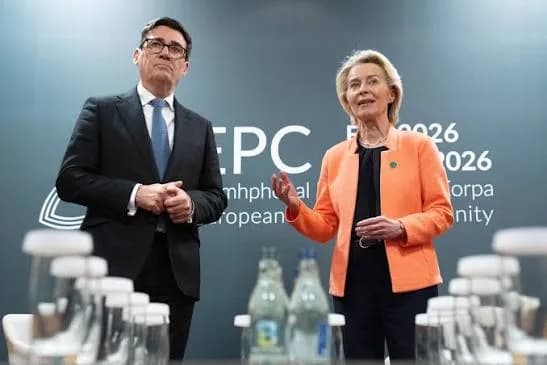
UK lost more than it gained from Brexit, says Andy Burnham ahead of the EU summit as Britain seeks closer trade, economic and diplomatic ties with Europe.
The UK lost more than it gained from Brexit, according to British Prime Minister Andy Burnham, who is preparing to deliver a major speech criticising the country's existing Brexit arrangements ahead of an important summit with European Union leaders. Burnham is expected to argue that Britain's departure from the European Union has failed to deliver the benefits promised during the 2016 referendum campaign and that the country needs a closer working relationship with its European neighbours.
Speaking at the Lord Mayor's Banquet in London's financial district on Monday, November 16, Burnham is expected to describe the existing Brexit settlement as an arrangement that has not delivered its promised economic and political advantages. He will reportedly compare the deal to the story of the Emperor's New Clothes, suggesting that political leaders have avoided acknowledging its shortcomings. His expected remarks reflect growing concerns within the British government about the long-term consequences of Brexit for trade, economic growth and Britain's international position.
Andy Burnham Criticises Britain's Existing Brexit Deal
Burnham's criticism is particularly directed at the Brexit agreement negotiated under former Conservative Prime Minister Boris Johnson. According to the prime minister, Britain ended up with a harder version of Brexit than many voters expected when they supported leaving the European Union in the 2016 referendum.
He believes the previous government's approach created unnecessary barriers between British businesses and European markets, while weakening opportunities for closer economic cooperation. Burnham is expected to argue that the promise to take back control did not translate into the improvements many people anticipated.
His comments represent a significant political intervention in the continuing debate over Britain's relationship with Europe. Nearly a decade after the referendum, Brexit remains a divisive issue in British politics, with businesses, policymakers and political parties continuing to debate its economic consequences.
UK-EU Summit to Focus on Trade and Economic Cooperation
The upcoming UK-EU summit, scheduled for November 20 in Brussels, is expected to become an important opportunity for both sides to improve relations and negotiate practical agreements.
Burnham is seeking progress in several areas, including food and agricultural trade, emissions trading and youth mobility. These agreements are intended to reduce trade barriers, improve cooperation and create additional opportunities for businesses and individuals on both sides of the English Channel.
One of the major priorities is reducing unnecessary checks and administrative requirements affecting food and agricultural products exported between Britain and EU member states. Businesses in the agricultural and food industries have faced additional paperwork and regulatory requirements since Brexit, creating operational challenges and increasing costs.
Source The British government believes closer cooperation could help reduce these difficulties, support exporters and potentially bring down food prices for consumers.
New EU Agreement Could Boost Britain's GDP
The proposed agreements could also have wider implications for the British economy. Burnham has suggested that closer cooperation with the European Union could increase Britain's gross domestic product by approximately 0.4%, equivalent to around £17 billion.
Reducing trade friction could help British companies access European markets more efficiently while improving supply chains and investment opportunities. The government believes that practical agreements with Brussels could provide economic benefits without requiring Britain to reverse its decision to leave the European Union. Emissions trading is another important area of discussion. Greater cooperation between the UK and EU carbon markets could help businesses operating across both markets manage environmental regulations more effectively.
Youth mobility is also expected to feature in negotiations, potentially creating opportunities for younger people to live, study and work across the UK and EU under a mutually agreed arrangement.
Labour Government Maintains Its Brexit Red Lines
Despite Burnham's criticism of the existing Brexit agreement, his government is not currently proposing an immediate return to the European Union.
The prime minister is expected to maintain Labour's manifesto commitments against rejoining the EU single market, customs union or restoring unrestricted freedom of movement. Instead, he wants any revised agreement to improve the existing Brexit settlement while delivering measurable benefits for ordinary people and businesses.
Burnham has also introduced what he calls the Makerfield test, which requires any proposed agreement to demonstrate tangible improvements in people's everyday lives, particularly in communities that have experienced economic difficulties.
The approach suggests that the government wants to move towards a more constructive relationship with Europe without immediately reopening every aspect of the Brexit debate.
Conservative Leaders Push Back Against Burnham's Position
Burnham's comments have already attracted criticism from Conservative politicians and supporters of Brexit. Former Prime Minister Boris Johnson has warned against reopening the debate, arguing that Britain should not move towards reversing its decision to leave the European Union.
Conservative figures have also accused the government of shifting attention away from domestic economic challenges by prioritising closer relations with Brussels. Meanwhile, supporters of a closer European relationship argue that reducing trade barriers and improving cooperation could help British businesses compete internationally.
The disagreement highlights how Brexit continues to influence Britain's political direction, even years after the country formally left the European Union in 2020.
What Happens Next for Britain's Relationship with Europe?
The November 20 UK-EU summit could mark an important stage in Britain's efforts to rebuild relations with the European Union. The outcome of negotiations on food trade, emissions trading and youth mobility will indicate how far both sides are prepared to go in improving cooperation.
For Burnham, the immediate priority is securing agreements that deliver practical economic benefits while respecting the government's existing political commitments.
His expected speech also signals a broader conversation about Britain's long-term position in Europe. While a return to EU membership is not part of the immediate government agenda, the prime minister appears willing to examine whether the current relationship is delivering the best possible outcomes for the country.
As economic pressures, international competition and trade challenges continue to shape Britain's future, the debate over the UK's Brexit impact is likely to remain an important issue for policymakers, businesses and voters.
Source : https://www.bbc.com/news/articles/crp3e1n5kezpo
For More Such News Visit The Global Biz Insider .