UK North Sea Drilling Ban: New Oil and Gas Licences
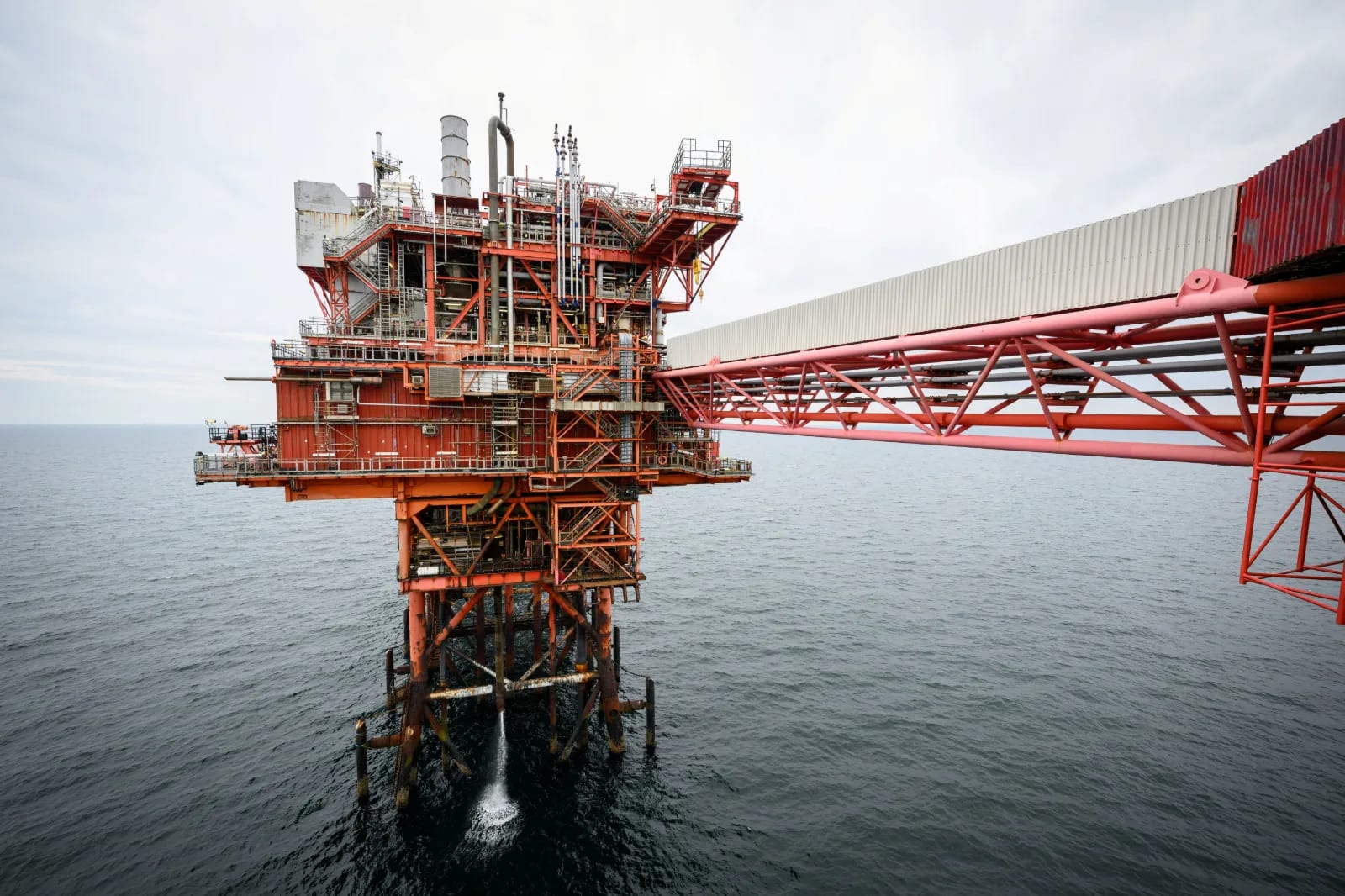
The UK North Sea drilling ban moves forward as the government introduces legislation to stop new oil and gas exploration licences while supporting the energy tr
The UK North Sea drilling ban is moving closer to becoming law as the British government introduces new legislation aimed at ending fresh oil and gas exploration licences in the North Sea. The proposed Energy Independence Bill would remove the North Sea Transition Authority's power to issue new licences, marking a significant shift in the country's approach to offshore fossil fuel production.
The legislation reflects the Labour government's commitment to ending new oil and gas field licences, a promise included in its 2024 election manifesto. Ministers say the move will support Britain's transition towards cleaner energy, strengthen long-term energy security and contribute to efforts to tackle global warming.
However, the proposed restrictions have triggered political debate, with opposition parties raising concerns about employment, economic growth and the country's future energy supply.
What Does the Energy Independence Bill Propose?
The Energy Independence Bill aims to formally prevent the approval of new oil and gas exploration licences in the North Sea.
Under the proposed legislation, the North Sea Transition Authority would no longer have the authority to grant licences for exploring new oil and gas fields. This would establish a clear legal framework for the government's policy of ending new offshore fossil fuel exploration.
However, the legislation does not mean that all existing North Sea oil and gas operations will immediately stop.
Existing licensed fields would be allowed to pursue certain additional production opportunities through a proposed system of Transitional Energy Certificates. These certificates would cover production from areas bordering or located close to already licensed fields, as well as areas forming part of an existing field.
The government estimates that this arrangement could generate approximately 60 million additional barrels of oil and help protect hundreds of jobs in the North Sea energy industry.
Rosebank Oil Field Decision Remains Unaffected
One of the most significant aspects of the proposed UK North Sea drilling ban is its treatment of the Rosebank oil field.
Located approximately 80 miles north-west of Shetland, Rosebank is considered the UK's largest known untapped oil field. Estimates suggest that it contains between 300 million and 500 million barrels of oil.
The project received approval under the previous Conservative government in 2022. However, environmental organisations subsequently challenged the approval through legal proceedings, forcing ministers to reconsider the project's future.
The new legislation will not determine whether production at Rosebank can begin. Its future will continue to depend on the separate regulatory and legal processes surrounding the project.
Supporters argue that Rosebank could provide important economic opportunities, protect employment and support Scotland's offshore energy industry. Environmental campaigners, however, believe developing the field would increase carbon emissions and undermine Britain's climate commitments.
Government Announces £2 Billion Energy Wealth Fund
Alongside the proposed restrictions on new oil and gas licences, the government has announced plans to establish an energy wealth fund.
The fund will initially receive £2 billion in funding, using tax revenue generated from oil and gas extraction. The money will be invested in renewable and low-carbon energy projects to support Britain's transition towards a cleaner energy system. The government believes this approach can help create new employment opportunities, attract investment and support communities that have historically depended on the offshore oil and gas industry.
Prime Minister Andy Burnham said the changes would help reduce household energy bills, improve energy security and give Britain greater control over its energy future.
Energy Secretary Miatta Fahnbulleh also described the legislation as an important step towards building a clean energy future that delivers benefits for households and communities.
Jackdaw Gas Field Approval Raises Questions
The announcement comes just two weeks after the UK government approved production from the Jackdaw gas field in the North Sea.
Located off the coast of Aberdeen, the project is expected to contribute to Britain's domestic gas supply and help meet the energy requirements of millions of households. The approval has attracted criticism from environmental organisations, which argue that continued fossil fuel development conflicts with the country's climate objectives.
The Jackdaw and Rosebank projects were originally approved under the previous Conservative government. However, legal challenges and changing government policies have created uncertainty around their development.
The contrasting decisions on Jackdaw and the proposed restrictions on new exploration have raised questions about how Britain intends to balance energy security with its environmental commitments.
Political Parties Criticise the Proposed Drilling Ban
The proposed UK North Sea drilling ban has generated strong reactions across the British political landscape.
The Conservative Party has described the legislation as dangerous, arguing that ending new oil and gas exploration could threaten employment, investment and the country's energy security. Opposition representatives believe the government is overlooking the economic importance of the North Sea energy industry, particularly for communities in Scotland and north-east England.
Meanwhile, the Scottish National Party has also criticised the proposed legislation. SNP energy spokesman Graham Leadbitter argued that the bill was designed to exploit Scotland's energy resources and strengthened the case for Scottish independence.
Environmental campaigners have generally welcomed restrictions on new exploration but continue to oppose projects such as Rosebank and Jackdaw, arguing that additional fossil fuel production could make climate targets more difficult to achieve.
What Does the UK North Sea Drilling Ban Mean for Energy Security?
The proposed legislation highlights a major challenge facing Britain's energy industry: balancing domestic energy production with the transition towards renewable sources.
Supporters of continued North Sea exploration argue that domestic oil and gas production can reduce dependence on overseas suppliers, protect skilled jobs and maintain investment in the energy sector. However, opponents question whether new offshore production would significantly improve energy security, particularly when much of the oil extracted from projects such as Rosebank could be exported for overseas refining.
The government is instead seeking to increase investment in renewable and low-carbon energy while maintaining production opportunities at certain existing licensed fields.
The success of this strategy will depend on how quickly Britain can expand its renewable energy infrastructure, improve electricity grid connections and provide affordable energy to households and businesses.
What Happens Next?
The Energy Independence Bill must progress through Parliament before its proposed measures can become law.
If approved, it would establish a new framework for North Sea oil and gas exploration by preventing the issuance of new licences while allowing certain activities within existing licensed areas to continue. The legislation also includes wider energy reforms, including measures to remove gas standing charges and speed up electricity grid connections.
For Britain's offshore energy industry, the proposed changes could mark the beginning of a significant transition. The government will need to balance environmental commitments with the economic interests of energy-producing communities and the country's long-term energy requirements. The debate surrounding Rosebank, Jackdaw and future North Sea production is likely to remain central to Britain's energy policy as the country moves towards a lower-carbon economy.
Source : https://www.bbc.com/news/articles/cqn734d24l0go
Follow The Global Biz Insider for More Such International News .