UK Sanctions Israeli Settlement Firms Over West Bank Expansion
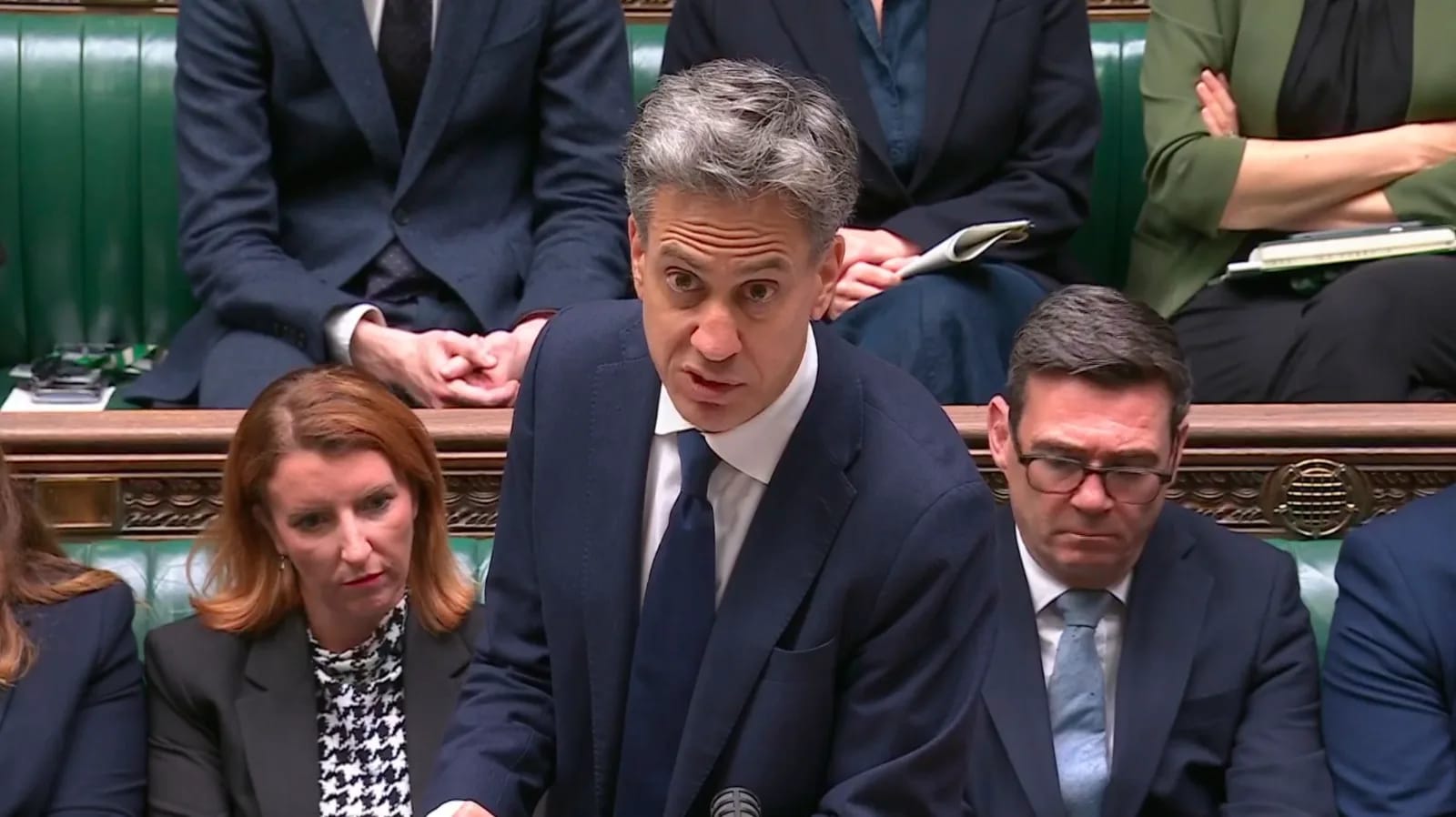
UK sanctions Israeli settlement firms involved in West Bank construction, imposing asset freezes to curb settlement expansion and protect a two-state solution.
The United Kingdom has imposed new sanctions on eight Israeli construction and property development companies involved in expanding settlements in the occupied West Bank, marking a significant step in its response to Israeli settlement activities. The decision, announced on November 17, 2026, is part of the British government's broader effort to prevent further settlement expansion and protect the possibility of a two-state solution between Israel and Palestine.
The sanctions include asset freezes and restrictions on company directors, measures intended to disrupt the financial operations of businesses involved in constructing, developing, supplying and marketing properties in Israeli settlements. The UK government has said that these activities threaten the prospects of establishing a viable Palestinian state and undermine the possibility of achieving lasting peace in the region.
Eight Companies Face UK Sanctions
The eight companies targeted by the British government operate across construction, property development and architectural planning. According to the Foreign, Commonwealth and Development Office (FCDO), these businesses have contributed to the development of residential housing and public infrastructure in Israeli settlements across the occupied West Bank.
The sanctioned companies are Har Hevron Development Company Ltd, Hemdat Shomron Ltd, S.A.G. (Velvel) Construction and Development Ltd, Lev HaHar Yazamut Ltd, Harey Zahav, Ariel Residential Judea & Samaria Ltd, Ami Gvirtzman Architects 2021 Ltd and Z.F. Building Company Ltd.
Under the new restrictions, the companies face asset freezes and director disqualification measures. These restrictions are designed to limit their ability to access financial resources and prevent them from continuing activities connected to settlement development.
UK Also Sanctions Israeli Group Over Gaza Aid Blockades
Alongside the measures targeting construction companies, the UK has imposed sanctions on Tzav 9, an Israeli activist movement accused of organising demonstrations and blockades to prevent humanitarian aid from reaching Gaza.
The British government said the group had organised and participated in actions blocking humanitarian aid convoys, including activities reported as recently as October 2026. The restrictions are intended to address efforts that obstruct the delivery of essential supplies to civilians facing severe humanitarian conditions.
The decision comes as Gaza continues to experience a serious humanitarian crisis, with thousands of households affected by flooding and a large number of people living in temporary shelters. The UK government has highlighted shortages of essential winter supplies, shelter materials and other humanitarian assistance.
According to the British government, more than 150,000 tents and 300,000 tarpaulins purchased by humanitarian organisations and international donors were awaiting entry into Gaza.
E1 Settlement Project Raises International Concerns
The sanctions announcement comes ahead of important developments surrounding Israel's proposed E1 settlement project in the occupied West Bank. The project has attracted international criticism because of concerns that it could divide Palestinian territories and separate East Jerusalem from other Palestinian population centres.
The UK government believes that the development could seriously undermine the possibility of establishing an independent and geographically connected Palestinian state. It has repeatedly called on Israel to halt the project and withdraw the related construction plans.
Foreign Secretary Ed Miliband said protecting the two-state solution remains central to the government's approach towards the Middle East conflict. He also warned businesses against participating in the E1 development, arguing that settlement expansion threatens the prospects of a lasting political agreement.
The British government considers Israeli settlements in the occupied West Bank to be contrary to international law. It has also raised concerns about increasing settlement activity and the impact on Palestinian communities.
UK Expands Its Sanctions Policy Towards Settlement Activities
The latest measures form part of a wider change in Britain's approach towards Israeli settlement expansion. In September 2026, the UK government announced plans to strengthen its sanctions framework and introduce additional restrictions on economic activities connected to settlements.
The expanded Global Human Rights and International Humanitarian Law sanctions regime allows the British government to target individuals and businesses suspected of involvement in serious violations of international humanitarian law.
The government is also developing separate legislation to prohibit imports of goods originating from illegal settlements and advertising services for settlement properties in the UK. These proposed measures would extend pressure beyond the companies directly named in the latest sanctions announcement.
However, the British government has clarified that its policy distinguishes between commercial activities in internationally recognised Israel and economic activities connected to settlements in the occupied territories.
What the Sanctions Mean for UK-Israel Relations
The decision represents another development in the increasingly complicated relationship between the UK and Israel. Differences over settlement expansion, humanitarian access to Gaza and the wider conflict have contributed to diplomatic tensions between the two countries.
The sanctions could create additional financial and operational challenges for the targeted companies, particularly where their activities involve international business relationships or financial connections with the UK.
For the wider international business community, the announcement also highlights the growing importance of geopolitical risks, international sanctions compliance and due diligence when operating in conflict-affected regions.
The UK government has indicated that it intends to continue working with international partners and the Palestinian Authority to support conditions for a lasting political settlement. Whether the latest restrictions will significantly slow settlement expansion remains to be seen, but they represent a notable escalation in Britain's economic and diplomatic response.
Conclusion
The UK's decision to sanction eight Israeli construction and property development companies, alongside the Tzav 9 activist movement, marks a significant development in its Middle East policy. By targeting businesses involved in settlement expansion and organisations accused of obstructing humanitarian assistance, Britain is seeking to increase pressure over issues it considers major obstacles to peace.
The effectiveness of these sanctions will depend on their practical financial impact and the response of other international governments. However, the move reinforces Britain's position that continued settlement expansion and restrictions on humanitarian assistance must be addressed to preserve the prospects of a two-state solution.
Source : https://www.bbc.com/news/articles/cvglr977x3z0o
Follow The Global Biz Insider For More Such News .