Ukraine and Russia Emergency Alert Apps Hit by Cyberattacks
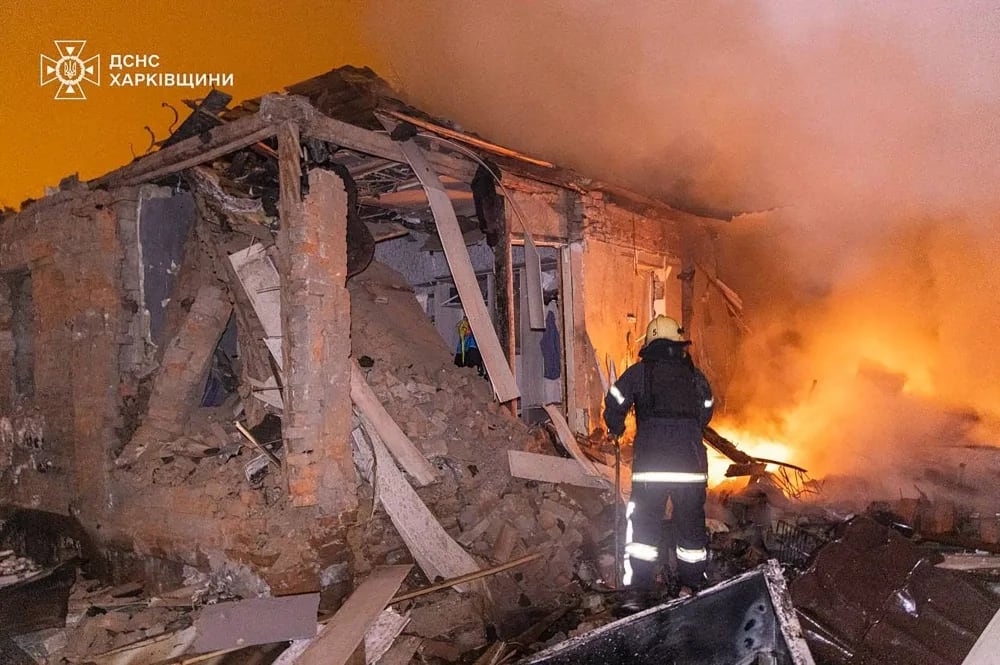
Ukraine and Russia emergency : cyberattacks on emergency alert apps after fake radiation and nuclear warnings alarmed residents. Learn about the incident
Introduction
Ukraine and Russia emergency alert app cyberattacks : Cybersecurity has become an increasingly important part of modern warfare, particularly as governments rely on digital platforms to communicate critical information during emergencies. Recent cyberattacks targeting emergency alert applications in Ukraine and Russia have raised concerns about the security of digital communication systems during wartime. According to reports, residents received false warnings about nuclear radiation, chemical threats, and other emergencies, creating confusion and highlighting the dangers of cyber interference with public safety infrastructure.
Ukraine and Russia Emergency Alert Apps Targeted by Cyberattacks
Ukraine and Russia reported cyberattacks targeting their emergency alert mobile applications, raising concerns about the reliability of digital warning systems during the ongoing conflict. In Ukraine, residents of Kyiv received alarming notifications claiming that radiation levels were dangerously high and that chemical threats and street fighting were taking place. These warnings were later identified as false, prompting authorities to reassure the public that there was no radiation emergency.
Ukraine's widely used Air Alert application plays an important role in informing residents about incoming missile and drone attacks. The app helps people respond quickly to potential threats by providing timely warnings. However, the reported cyberattack temporarily disrupted the application and demonstrated how digital interference can affect essential communication services during wartime.
Fake Radiation and Nuclear Threat Alerts Create Public Confusion
The cyberattack reportedly involved fabricated emergency messages warning residents of nuclear radiation, chemical attacks, and other dangerous situations. Some notifications also referred to nuclear-capable missiles, adding to the seriousness of the false warnings. The messages appeared suspicious because of unusual wording, language inconsistencies, and grammatical errors.
Ukrainian authorities quickly responded by clarifying that there was no radiation threat in Kyiv. Officials encouraged residents to remain calm and follow verified information from official communication channels. The incident demonstrated how false emergency notifications can create unnecessary fear, particularly in areas where people already face frequent missile and drone attacks.
Russia Reports a Cyberattack on Its Emergency App
Following the reported incident in Ukraine, Russian authorities also announced that their emergency mobile application had been targeted by a cyberattack. The country's emergency services ministry reported that hackers had distributed false information through the application.
Russian officials stated that the wider public warning infrastructure continued to function normally. They emphasized that the mobile application was an additional information service rather than the country's only emergency communication channel.
Although both countries reported attacks on their emergency alert applications within a short period, it remains unclear whether the incidents were directly connected. The reports underline the growing importance of cybersecurity protection for government applications and emergency communication networks.
Cyber Warfare and the Growing Threat to Digital Infrastructure
Cyberattacks have become an important component of modern conflicts, with digital infrastructure increasingly vulnerable to disruption. Governments, military organizations, businesses, and public institutions depend on online platforms to communicate, exchange information, and coordinate operations.
Targeting emergency alert applications can create serious consequences because these platforms are designed to provide reliable information during dangerous situations. False notifications can cause panic, distract emergency services, and reduce public confidence in official communication systems.
The reported incidents in Ukraine and Russia demonstrate how cyber warfare can extend beyond military networks and affect ordinary citizens. Protecting digital infrastructure is therefore essential for maintaining public safety and ensuring that emergency information remains accurate and trustworthy.
Importance of Cybersecurity for Emergency Communication Systems
Emergency alert applications are valuable tools for public safety, but their effectiveness depends on security, reliability, and public trust. Governments must continuously strengthen their cybersecurity measures to prevent unauthorized access and the distribution of false information.
Several measures can help improve the security of emergency communication systems. These include implementing stronger authentication mechanisms, conducting regular security audits, monitoring suspicious activity, and developing reliable backup communication channels. Authorities should also establish clear procedures for quickly correcting false information and informing the public about verified threats.
Public awareness is equally important. Citizens should avoid sharing unverified emergency messages and should confirm alarming notifications through official government channels, trusted news organizations, and established emergency services.
How Citizens Can Respond to Fake Emergency Alerts
The recent cyberattacks highlight the importance of responsible information consumption during emergencies. When receiving an unexpected or suspicious alert, citizens should verify the information before taking action or sharing it with others.
Official government websites, emergency service announcements, verified social media accounts, and trusted news outlets can help people distinguish genuine warnings from fabricated notifications. However, residents should continue following established emergency procedures and genuine air-raid warnings rather than dismissing all alerts because of a cyberattack.
Maintaining calm, checking multiple trusted sources, and avoiding the spread of misinformation can help reduce confusion during digital security incidents.
Conclusion
The reported cyberattacks on emergency alert applications in Ukraine and Russia highlight the growing risks associated with cyber warfare and digital infrastructure vulnerabilities. False radiation, nuclear, and chemical threat notifications demonstrate how cyberattacks can disrupt public communication and undermine trust in emergency systems.
As governments increasingly depend on digital platforms for public safety, cybersecurity must remain a priority. Stronger protection, reliable backup systems, and public awareness will be essential for ensuring that emergency communication networks remain dependable during conflicts and other crises.
The incident serves as a reminder that cybersecurity is not only a technological concern but also a critical part of protecting civilians and maintaining public confidence during emergencies.
Source: https://www.nbcnews.com/world/ukrai
Follow: https://globalbizinsider.com/