Ukraine Defends Attack on Russian Ships in Libya as Self-Defence Amid Rising Tensions
Ukraine defends its drone attack on Russian ships in Libya under Article 51 of the UN Charter, raising concerns
The ongoing Russia-Ukraine war continues to create tensions far beyond Eastern Europe, with developments in international waters raising new concerns about maritime security and regional stability. Ukraine's latest statement regarding an attack on Russian ships near Libya has brought attention to the growing geographical reach of the conflict. Kyiv has insisted that the operation was carried out in self-defence, highlighting the continuing struggle between the two countries and the complicated security situation surrounding Russian maritime activities.
The incident also raises important questions about the legal boundaries of self-defence, the security of international shipping routes and the potential consequences of extending military operations beyond traditional conflict zones.
Ukraine Defends Military Operation Under International Law
Ukraine's Foreign Minister Andrii Sybiha defended the operation by referring to Article 51 of the United Nations Charter, which recognises the inherent right of individual and collective self-defence. According to Sybiha, Russian naval vessels and cargo ships transporting military equipment can be considered legitimate targets in the context of Russia's ongoing aggression against Ukraine.
He rejected accusations that Ukraine was expanding the war into another country, arguing that Kyiv's military actions were intended to counter Russian aggression rather than threaten Libya or its population. Sybiha also maintained that the right to self-defence is not necessarily restricted to the geographical location where an attack originally takes place.
Russian Naval Corvette Merkury Sunk in Benghazi
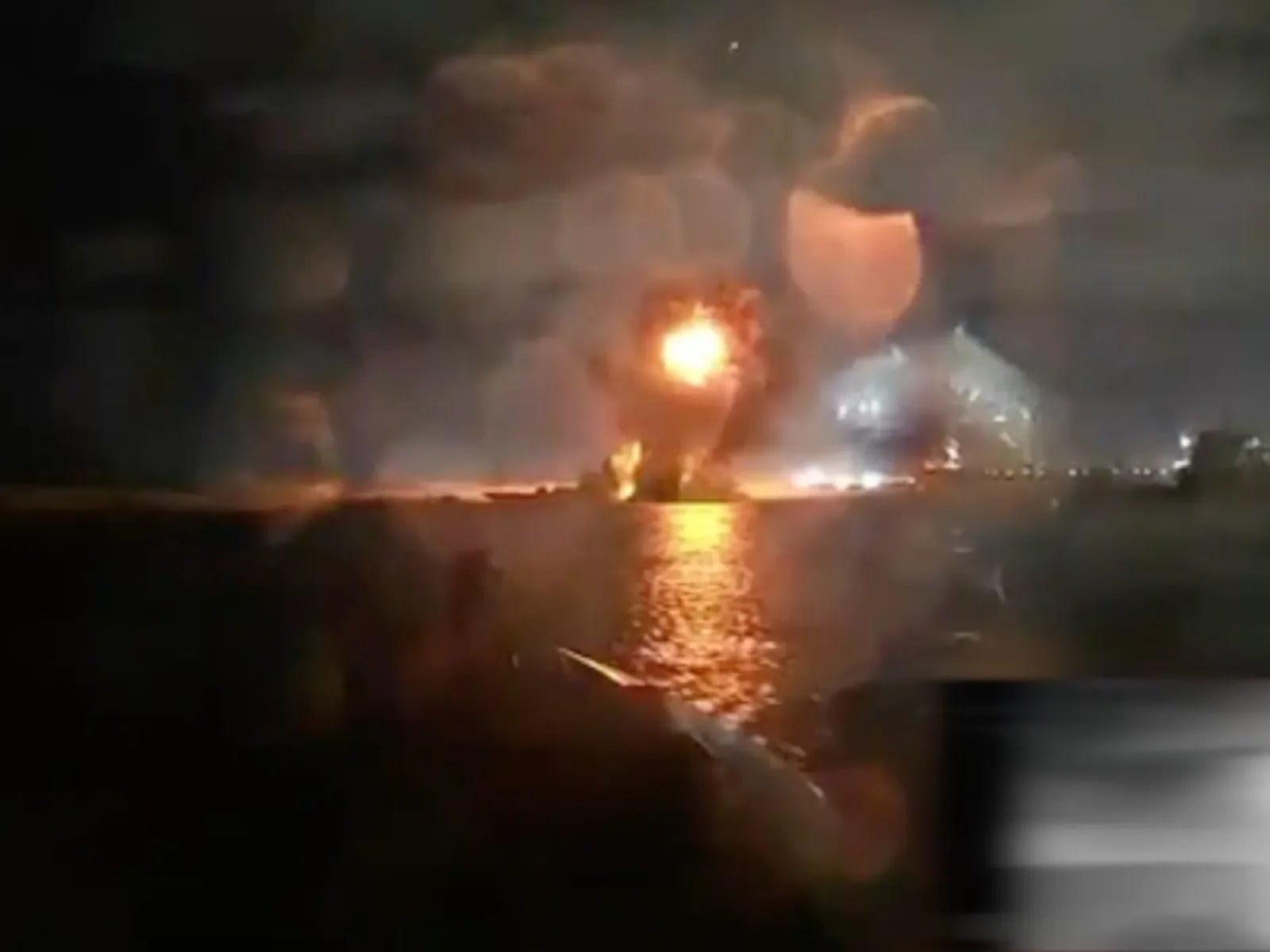
The controversy follows a Ukrainian drone operation targeting Russian vessels at the port of Benghazi in eastern Libya. Ukrainian President Volodymyr Zelenskiy confirmed that Ukrainian forces were responsible for the operation, which targeted the Russian naval corvette Merkury and the cargo ship MV Angara.
The Russian corvette was reportedly docked at the Benghazi naval base for refuelling and resupply. According to reporting cited by Reuters, the vessel had been accompanying cargo ships capable of transporting military supplies to Russia. Ukrainian officials presented the operation as part of their wider efforts to disrupt Russian military logistics beyond the Black Sea.
Footage released by Zelenskiy showed explosions and fires involving the targeted vessels. The attack marked a significant development in Ukraine's military strategy, demonstrating the potential reach of its maritime drone capabilities.
Libya Condemns Ukraine's Attack and Raises Sovereignty Concerns
Ukraine's justification has not been accepted by all Libyan authorities. The internationally recognised Government of National Unity, based in Tripoli, condemned the Ukrainian military operation and stated that Libya should not become involved in the Russia-Ukraine war.
The incident has created additional diplomatic complications because Libya remains politically divided between competing administrations and military authorities. The eastern part of the country, including Benghazi, is controlled by forces associated with military commander Khalifa Haftar, whose administration has maintained relations with Russia. Meanwhile, the internationally recognised government in Tripoli exercises authority over western Libya.
Libyan authorities have expressed concerns about foreign military activities taking place within their territory and territorial waters. Eastern Libyan officials have also requested an international investigation into allegations surrounding the drone operation and the possible involvement of Ukrainian military personnel in western Libya.
Russia-Ukraine War Expands Beyond the Black Sea
The attack near Libya highlights how the Russia-Ukraine conflict is increasingly affecting maritime security in different geographical regions. For much of the war, naval confrontations have primarily focused on the Black Sea, where Ukraine has repeatedly used missiles and naval drones against Russian military vessels and infrastructure.
However, recent developments suggest that Ukraine is increasingly targeting Russian maritime assets operating farther from the traditional battlefield. The attack in Libya followed another drone strike against the Russian cargo vessel Sparta II in the Gulf of Finland. Zelenskiy confirmed Ukraine's responsibility for that separate operation, describing the vessel as a legitimate military target because of its alleged connection to weapons transportation.
These incidents demonstrate the growing importance of maritime drones in modern warfare. Compared with traditional naval operations, unmanned systems can provide military forces with new ways to conduct long-distance attacks while reducing the direct exposure of personnel.
Strategic Importance of Libya in Russia's International Operations
Libya's geographical position makes it strategically important for countries seeking influence across North Africa and the Mediterranean region. Its ports, military facilities and proximity to important maritime routes provide significant logistical advantages.
Russia has maintained relationships with eastern Libyan authorities and expanded its military presence in the region over recent years. Its activities in Libya are also connected to its broader interests in Africa, where military access and logistical facilities can support its regional influence.
For Ukraine, targeting Russian military-linked vessels in Libya could represent an attempt to disrupt these logistical connections and limit Moscow's ability to operate beyond its immediate neighbourhood. However, such operations also create diplomatic risks, particularly when they occur in countries that are not directly involved in the Russia-Ukraine conflict.
International Law and the Future of Maritime Security
One of the most important questions emerging from the incident concerns the interpretation of international law during an ongoing armed conflict. Article 51 of the UN Charter recognises the right of self-defence, but the application of this principle to military operations in another country's territory or territorial waters raises complex legal questions.
Ukraine argues that its operation was directed against Russian military assets and was justified by the continuing threat posed by Russian aggression. Libya, on the other hand, has emphasised its sovereignty and opposition to becoming a battleground for foreign military operations.
The incident demonstrates the difficulty of balancing a country's right to defend itself with the sovereignty and territorial integrity of other nations. It could also increase international concerns about the security of commercial shipping, port infrastructure and maritime transportation routes.
An independent investigation and diplomatic engagement may become important in determining the circumstances surrounding the attack and preventing further escalation.
Conclusion: Ukraine's Military Strategy Creates New Diplomatic Challenges
Ukraine's insistence that the attack on Russian ships in Libya was an act of self-defence marks another important development in the ongoing Russia-Ukraine war. By defending the operation under Article 51 of the UN Charter, Kyiv has reinforced its position that Russian military-linked vessels remain legitimate targets regardless of their geographical location.
However, the incident has also exposed the diplomatic challenges of conducting military operations in politically divided countries such as Libya. While Ukraine seeks to weaken Russia's military logistics and maritime capabilities, it must also navigate international concerns about sovereignty, regional stability and the laws governing armed conflict.
As the war continues, the consequences of military operations beyond Eastern Europe could become increasingly significant for international security, maritime trade and diplomatic relations.
Source: https://www.reuters.com/world/europe
Follow: https://globalbizinsider.com/