Ukraine Peace Talks in Abu Dhabi: Prisoner Exchange Agreed but No Major Breakthrough
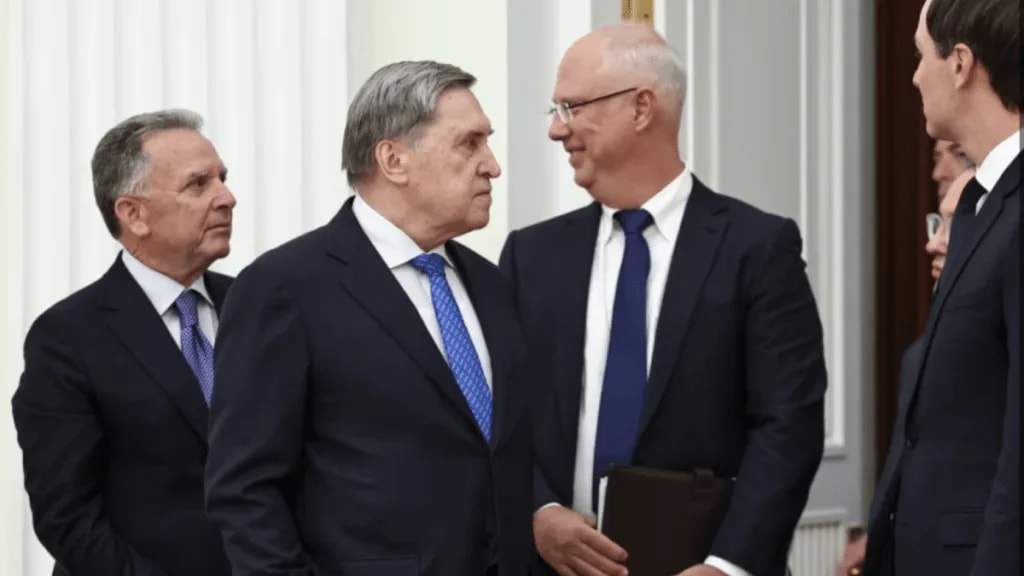
Russia and Ukraine agree to a major prisoner exchange after US-mediated Abu Dhabi peace talks, but territorial disputes continue to block a peace deal.
The latest Russia-Ukraine peace talks in Abu Dhabi have concluded with an important humanitarian development but no significant breakthrough towards ending the ongoing war. Following two days of US-mediated negotiations, Russia and Ukraine have agreed to a major prisoner exchange, raising hopes for the release of hundreds of captured military personnel. However, deep disagreements over territorial boundaries, security guarantees and the future of Ukraine continue to prevent the two sides from reaching a comprehensive peace agreement.
The negotiations mark an important diplomatic effort involving representatives from Russia, Ukraine and the United States. Although the prisoner exchange represents progress, the discussions highlight how difficult it remains to resolve one of Europe's most serious geopolitical conflicts.
Abu Dhabi Peace Talks Bring Progress on Prisoner Exchange
The negotiations in Abu Dhabi were facilitated by US representatives Jared Kushner and Steve Witkoff, who have been working to bring Moscow and Kyiv closer to an agreement. The discussions focused on possible pathways towards ending the conflict, humanitarian arrangements and security conditions for the post-war period.
One of the most significant outcomes was the agreement in principle to organise a large-scale prisoner exchange. Reports indicated that the proposed arrangement could involve as many as 1,500 prisoners from each side, although the final numbers and implementation details remained subject to confirmation.
The development is particularly important for families waiting for the return of captured soldiers. Prisoner exchanges have previously provided opportunities for humanitarian cooperation between the two countries, even when broader diplomatic negotiations have struggled to produce meaningful results.
Territorial Disagreements Remain the Biggest Obstacle
Despite the progress on humanitarian issues, territorial disputes remain the biggest obstacle to a Russia-Ukraine peace agreement. Moscow continues to demand significant territorial concessions, including the withdrawal of Ukrainian forces from areas of the Donbas that remain under Kyiv's control.
Ukraine, however, has rejected these demands, arguing that surrendering territory would undermine its sovereignty and national security. Ukrainian President Volodymyr Zelenskyy has maintained that territorial questions cannot be resolved without meaningful negotiations and acceptable security arrangements.
These opposing positions demonstrate why diplomatic discussions have repeatedly failed to deliver a lasting settlement. While Russia wants its territorial demands addressed as part of any agreement, Ukraine insists that peace should not come at the cost of its independence.
United States Continues Its Diplomatic Efforts
The United States continues to play a central role in facilitating negotiations between Russia and Ukraine. US representatives Jared Kushner and Steve Witkoff have been involved in discussions aimed at finding common ground between the conflicting parties.
The American diplomatic approach has also focused on developing security guarantees for Ukraine and addressing broader European security concerns. However, reaching an agreement will require both sides to make difficult political and strategic decisions.
The US representatives are also expected to continue diplomatic engagement with Russian President Vladimir Putin and Ukrainian President Volodymyr Zelenskyy. These discussions could help determine whether the progress made in Abu Dhabi can translate into further negotiations.
European Security Concerns Add Complexity to Negotiations
The Russia-Ukraine conflict is not limited to the territorial interests of Moscow and Kyiv. It has also significantly influenced Europe's political, military and economic environment. European countries remain concerned about regional stability, NATO's security arrangements and the possibility of further military escalation.
Another important issue is Europe's participation in the peace process. European governments have supported Ukraine through financial assistance, military equipment and diplomatic backing. However, Russia has questioned Europe's role in the negotiations, creating further complications for efforts to establish a common security framework.
A sustainable peace agreement will therefore need to consider not only the interests of Russia and Ukraine but also the wider security concerns of European countries.
Why the Prisoner Exchange Matters
Although a prisoner exchange cannot independently end the war, it represents an important humanitarian step. Thousands of families on both sides have been affected by the conflict, with captured military personnel and missing individuals becoming a major concern.
The exchange could help rebuild a limited level of trust between the negotiating parties. It may also create opportunities for further humanitarian agreements, including discussions concerning missing persons and other wartime issues.
However, humanitarian cooperation should not be confused with a comprehensive political settlement. The fundamental disagreements surrounding territory, military security and political sovereignty remain unresolved.
What Happens Next in the Russia-Ukraine War?
The outcome of the Abu Dhabi negotiations suggests that diplomatic engagement remains possible despite continuing disagreements. The prisoner exchange agreement provides a positive development, but the absence of a major political breakthrough means that the future of the peace process remains uncertain.
Future negotiations will likely focus on territorial arrangements, security guarantees, military conditions and the role of international partners. Whether these discussions produce meaningful progress will depend on the willingness of Russia and Ukraine to reconsider their positions.
For the international community, the priority remains preventing further escalation and supporting diplomatic efforts that can lead to a lasting resolution.
Conclusion
The latest Russia-Ukraine peace talks in Abu Dhabi have delivered a significant humanitarian development through an agreement on a large-scale prisoner exchange. Nevertheless, the failure to resolve territorial disagreements demonstrates that ending the war will require much more than isolated diplomatic achievements.
The United States continues to facilitate discussions, while European security concerns remain an important part of the wider negotiations. Although the latest developments offer some hope, a sustainable peace agreement will ultimately depend on compromise, mutual understanding and credible security guarantees.
The coming weeks will be important in determining whether the progress achieved through these negotiations can become the foundation for a broader peace settlement.
Source : https://www.ft.com/content/3
Follow : https://globalbizinsider.com/