Ukraine Power Grid Crisis: Russian Strikes Trigger Severe Blackouts
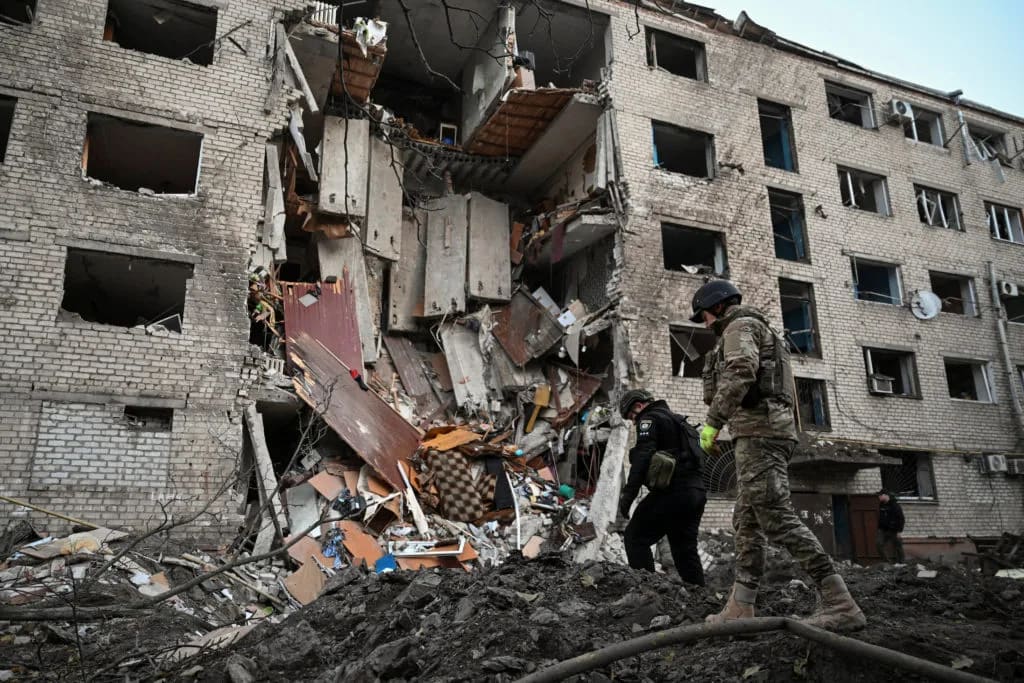
Ukraine power grid attacks leave millions facing prolonged blackouts, water shortages and heating disruptions as Russian strikes threaten the country .
Ukraine power grid infrastructure is facing mounting pressure following intensified Russian attacks on energy facilities, leaving millions of people struggling with prolonged electricity shortages, disrupted water supplies and inadequate heating as winter approaches. Residents in Kyiv and other parts of the country are experiencing increasingly frequent blackouts, with some households facing up to 20 hours without electricity each day.
The worsening situation has raised concerns about Ukraine's ability to maintain essential services during the colder months. For many families, the consequences of the attacks extend beyond darkness, affecting daily activities, household responsibilities, transportation, communication and access to basic necessities.
According to reporting by BBC News published on November 12, 2026, scheduled power cuts have been in place since October as Russia intensified its campaign against Ukraine's energy infrastructure. Electricity supplies have become increasingly unpredictable, forcing residents to reorganise their daily routines around limited periods of available power.
Kyiv Residents Face Blackouts Lasting Up to 20 Hours
Kyiv has been among the areas most severely affected by the electricity disruptions. Some households receive electricity for only four or five hours a day, while the timing of power availability continues to change.
The BBC report highlighted the experience of Daryna Kulchytska, a single mother living with her two children in a seventh-floor apartment in Kyiv. She has been struggling to manage household responsibilities, prepare meals and help her children with their education while dealing with unpredictable electricity schedules.
When electricity becomes available, families must quickly complete essential tasks, including cooking, charging electronic devices and finishing work. Once the scheduled outage begins, everyday activities become significantly more difficult.
For residents living in apartment buildings, the consequences are particularly challenging. Elevators stop functioning, internet connections become unavailable and water supplies can be interrupted because electric pumps are required to deliver water to upper floors.
As temperatures continue to fall, households are also struggling to maintain comfortable indoor conditions without reliable heating.
Water Shortages and Heating Disruptions Add to the Crisis
The Ukraine power grid crisis is affecting several essential services simultaneously. Electricity is necessary not only for lighting and household appliances but also for water pumping systems, heating infrastructure and communication networks.
When power supplies are interrupted, these interconnected services can also become unavailable.
Families living in high-rise apartment buildings face additional difficulties because water pumps and elevators depend on electricity. Residents may have to store water in advance and prepare for extended periods without basic household facilities.
The falling temperatures have made the situation more concerning. People are wearing multiple layers of clothing and using alternative lighting arrangements to manage the prolonged outages.
The International Energy Agency has previously highlighted the vulnerability of Ukraine's electricity and heating systems, noting that attacks on power generation and transmission infrastructure can create wider disruptions to essential civilian services.
Major Power Station Damaged by Russian Missile Strike
The scale of damage to Ukraine's energy infrastructure has raised serious concerns about the country's ability to restore electricity supplies quickly.
During its reporting, the BBC visited one of Ukraine's major power stations, which had suffered extensive destruction following a ballistic missile strike. The facility was left severely damaged, with critical equipment, turbines and other infrastructure affected.
The damage has significantly reduced the country's electricity generation capacity at a time when household demand is expected to increase because of colder weather.
According to the report, restoring the damaged facility could take until at least next summer. Energy infrastructure repair teams are also facing difficult working conditions, as continued attacks create additional risks and complicate restoration efforts.
Transportation and Daily Activities Disrupted
The electricity shortages are also affecting public transportation and economic activity.
Kyiv's metro services and trolleybus operations have experienced interruptions during power disruptions, making commuting more difficult for residents. Businesses that depend on stable electricity supplies are also facing operational challenges.
Remote workers, students and small businesses are particularly affected by unreliable internet connections and limited access to electricity.
For families with children, the blackouts have changed ordinary household routines. Evening activities, online learning and entertainment have become difficult to manage.
Some residents are increasingly considering leaving Kyiv or relocating to other parts of Ukraine to avoid the possibility of prolonged electricity and heating shortages during winter.
However, moving is not a practical option for everyone, particularly families facing financial difficulties or those with relatives and professional responsibilities in the capital.
Ukraine Faces Growing Pressure Ahead of Winter
The timing of the attacks has intensified concerns about Ukraine's preparedness for another difficult winter.
Energy infrastructure has remained a major target throughout the Russia-Ukraine war. Repeated attacks on power stations, electricity substations and transmission networks have weakened the country's ability to provide consistent electricity to households and businesses. Ukraine has also responded with attacks on Russian oil refineries, adding another dimension to the continuing conflict involving energy infrastructure.
The latest developments have highlighted the wider humanitarian consequences of disruptions to essential infrastructure. Prolonged blackouts can affect access to heating, clean water, healthcare facilities, communications and transportation, particularly when temperatures fall below freezing. Energy companies and repair teams face the difficult task of restoring damaged facilities while preparing the electricity network for increased winter demand.
Millions of Ukrainians Face an Uncertain Winter
The worsening Ukraine power grid crisis demonstrates how attacks on energy infrastructure can affect civilian life far beyond electricity generation.
For millions of Ukrainians, the immediate concern is no longer simply when the lights will return. Reliable water supplies, heating, transportation and communication have also become essential priorities. As winter approaches, the ability of Ukraine to repair damaged facilities, maintain electricity distribution and protect critical infrastructure will remain central to the country's humanitarian and economic stability.
For families already experiencing extended blackouts, the coming months could bring further challenges as they attempt to maintain normal lives amid continuing uncertainty.
Source : https://www.bbc.com/news/articles/cr1ewpd95d21o
Follow The Global Biz Insider for more such International News .