Ukraine War 2027: Latvian President Predicts Possible Turning Point Against Russia
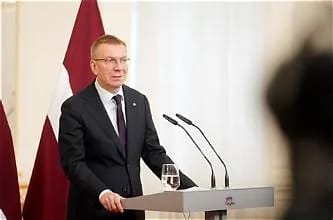
Latvian President Edgars Rinkevics believes the Ukraine war could reach a turning point in 2027
The ongoing Russia-Ukraine war could enter a decisive phase in 2027, potentially changing the direction of the conflict, according to Latvian President Edgars Rinkevics. In an interview with Reuters on November 24, 2026, Rinkevics expressed optimism that Ukraine could withstand Russia's continued military aggression and eventually reach a position that could create a major turning point in the war. He suggested that spring or summer 2027 could become a significant period for the conflict, particularly if Ukraine maintains its military strength, economic stability and international support.
Russia Faces Growing Economic and International Pressure
One of the major factors behind Rinkevics' assessment is the increasing pressure on Russia's economy and its growing international isolation. According to the Latvian president, the economic consequences of the prolonged war, combined with expanding diplomatic opposition, could gradually weaken Moscow's ability to sustain its military campaign. He also pointed to a growing international consensus on the need to bring the conflict to an end. The impact of the war is increasingly extending beyond Ukraine and Russia, with attacks affecting commercial vessels and resulting in casualties involving citizens of other countries, including Indian sailors.
Ukraine Faces a Challenging Winter
Despite the possibility of a turning point in 2027, Ukraine continues to face serious challenges. Rinkevics warned that the country is approaching a particularly difficult winter, with intensified Russian attacks on energy infrastructure and civilian targets creating additional pressure on the Ukrainian population. Damage to electricity facilities, heating systems and essential infrastructure could make everyday life increasingly difficult, especially during colder months. However, he expressed confidence in Ukraine's ability to survive both militarily and economically, highlighting the country's resilience throughout the prolonged conflict.
Europe Promises Continued Support for Ukraine
European assistance is expected to remain an important factor in determining the future of the Ukraine war. Rinkevics stated that Europe is prepared to continue providing military, financial and infrastructure support to Kyiv. Such assistance is essential for maintaining Ukraine's defence capabilities, supporting its economy and rebuilding damaged infrastructure. European countries have increasingly recognised that the outcome of the conflict has broader implications for regional security and the stability of the international order. Continued cooperation between European governments could therefore play a significant role in strengthening Ukraine's position during 2027.
Concerns Over Russia's Peace Negotiations
The Latvian president also questioned Russia's intentions regarding renewed ceasefire negotiations. According to Rinkevics, Moscow may not be genuinely interested in ending the war and could instead view negotiations as a way to delay international pressure while continuing its military operations. This assessment highlights the challenges facing diplomatic efforts to achieve a lasting peace agreement. Although negotiations remain an important possibility, disagreements over territorial control, security guarantees and the future relationship between Ukraine and Russia continue to complicate efforts to end the conflict.
Rising Security Concerns Across Europe
Beyond the battlefield in Ukraine, Rinkevics expressed concern about the increasing number of suspected hybrid activities targeting European countries. These activities reportedly include airspace violations, cyberattacks, sabotage and attempted arson. Such incidents create additional security challenges for European governments because they can disrupt critical infrastructure and create uncertainty without necessarily developing into direct military confrontations. Rinkevics noted that Russia appears increasingly willing to take risks while remaining careful not to cross the threshold that could trigger NATO's collective defence mechanism under Article 5.
The Kremlin has consistently denied carrying out sabotage operations in NATO countries or planning a confrontation with the alliance. Nevertheless, European governments remain concerned about protecting their infrastructure, strengthening intelligence cooperation and responding effectively to emerging security threats.
NATO and European Intelligence Cooperation Become Increasingly Important
The possibility of escalating tensions between Russia and NATO makes intelligence sharing and regional cooperation particularly important. Rinkevics highlighted improvements in cooperation among European intelligence and counterintelligence agencies, which have helped identify and prevent certain potential attacks. He also emphasised the importance of mutual support, coordinated responses and publicly addressing actions that threaten European security. For NATO members, maintaining a united position is essential to preventing further instability while avoiding an escalation into a direct military confrontation.
What Could Happen in the Ukraine War in 2027?
The year 2027 could become an important period for the Russia-Ukraine conflict. If Ukraine successfully withstands the difficult winter, maintains international financial and military assistance, and continues defending its territory, Russia could face increasing economic, diplomatic and military pressure. However, the possibility of a turning point does not guarantee an immediate end to the war. Developments on the battlefield, international diplomatic initiatives and the economic conditions of both countries will continue to influence the outcome.
Rinkevics' assessment reflects growing expectations among some European leaders that sustained support for Ukraine and increasing pressure on Moscow could eventually change the balance of the conflict. Nevertheless, the situation remains uncertain, and any lasting resolution will depend on political decisions, military developments and the willingness of the parties involved to pursue meaningful negotiations.
Conclusion
The prediction by Latvian President Edgars Rinkevics that the Ukraine war could reach a turning point in spring or summer 2027 highlights the growing importance of international pressure, European support and Russia's economic challenges. While Ukraine faces another difficult winter and continued attacks on critical infrastructure, its ability to maintain military and economic resilience could influence the next phase of the conflict. At the same time, increasing security concerns across Europe demonstrate that the consequences of the war extend far beyond Ukraine's borders. As the world approaches 2027, the international community will be closely watching whether diplomatic pressure and continued assistance can create conditions for a meaningful change in the war.
Source: https://www.reuters.com/world/asia
Follow; https://globalbizinsider.com/