US-China Chip Tensions and AI Safety: Key Issues Ahead of the Trump-Xi Summit
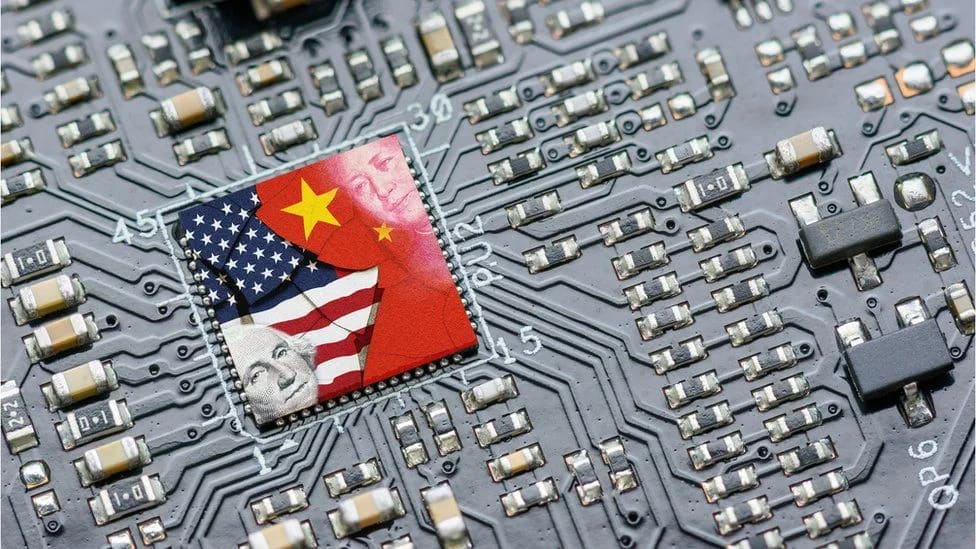
Explore how US-China chip tensions, artificial intelligence competition, semiconductor restrictions and AI safety cooperation are shaping the Trump-Xi summit in
The growing technological rivalry between the United States and China is expected to take centre stage as US President Donald Trump prepares to meet Chinese President Xi Jinping at the upcoming summit in Shenzhen. Among the most significant issues surrounding the meeting are restrictions on advanced artificial intelligence (AI) chips, semiconductor exports and the need for international cooperation on AI safety. Although both countries are competing for global leadership in emerging technologies, discussions about managing the risks associated with artificial intelligence could create opportunities for diplomatic progress.
US-China Chip Tensions Become a Major Summit Issue
One of the biggest challenges in US-China relations is Washington's increasing concern over China's access to advanced semiconductor technology. High-performance AI chips are essential for developing sophisticated artificial intelligence models, operating large data centres and supporting next-generation computing systems. The United States has introduced export restrictions to limit China's access to certain advanced chips, citing national security and technological concerns.
According to reports ahead of the November 2026 Trump-Xi summit, the possibility of tighter restrictions is expected to become a major topic of discussion. US lawmakers are pushing for additional controls, while Chinese officials are concerned that these measures could represent a broader attempt to restrict China's technological and economic development. This disagreement highlights how semiconductor technology has become an important part of the wider geopolitical competition between the two global powers.
Why Advanced AI Chips Are Important in the Global Technology Race
Semiconductors play a crucial role in modern technology, particularly in artificial intelligence development. Advanced chips provide the computing power required to train complex AI models, process large datasets and operate intelligent applications. As businesses and governments increasingly invest in artificial intelligence, access to high-performance processors has become an important strategic advantage.
The United States currently maintains significant influence over the global semiconductor ecosystem through its technology companies, chip-design capabilities and export regulations. China, meanwhile, is investing heavily in developing domestic semiconductor manufacturing and strengthening its technological independence. Restrictions on advanced chip exports could therefore influence international supply chains, technology investments and the future direction of the global AI industry.
AI Safety Cooperation Offers an Opportunity for Diplomatic Progress
Despite their growing technological rivalry, the United States and China are exploring opportunities to cooperate on artificial intelligence safety. As AI systems become increasingly powerful, concerns about cybersecurity threats, misinformation, misuse and unexpected system behaviour are attracting international attention.
Reports indicate that both countries have discussed establishing communication protocols for serious AI-related incidents. A proposed emergency notification mechanism could allow Washington and Beijing to inform each other about significant AI safety incidents and reduce the possibility of misunderstandings escalating into national security concerns. However, the proposed mechanism has not yet become operational.
US Treasury Secretary Scott Bessent has indicated that discussions could include communication procedures for AI safety incidents and the exchange of best practices for testing advanced AI models. Such cooperation could represent an important step towards establishing greater transparency and reducing risks associated with emerging technologies.
The Role of AI Regulations in US-China Relations
Artificial intelligence regulation is becoming an increasingly important part of international diplomacy. Governments are trying to balance technological innovation with concerns about national security, privacy, accountability and responsible AI development.
For the United States and China, developing common approaches to certain AI safety challenges could help reduce the risks associated with increasingly advanced systems. However, reaching meaningful agreements may be difficult because both countries have different regulatory priorities, political interests and approaches to technological development.
The challenge is to establish practical safety standards without allowing disagreements over economic competition and national security to prevent cooperation. Even limited agreements on incident reporting, AI testing and communication could create a foundation for future international discussions.
China's Focus on AI and the Digital Economy at the APEC Summit
China is also placing artificial intelligence and the digital economy at the centre of its priorities for the Asia-Pacific Economic Cooperation (APEC) forum in Shenzhen. The event is expected to attract thousands of political and business leaders, including representatives from major international companies.
Beijing is seeking practical agreements that could encourage digital development, strengthen economic cooperation and support technological innovation across the Asia-Pacific region. The participation of leading business executives highlights the growing importance of artificial intelligence, digital infrastructure and advanced computing in global economic development.
The APEC discussions could provide an opportunity for countries to exchange ideas on AI development, digital transformation and technology governance. However, the broader geopolitical tensions between Washington and Beijing may influence how much progress can be achieved.
Impact of US-China Technology Competition on Global Businesses
The ongoing US-China technology rivalry has implications that extend beyond the two countries. Semiconductor manufacturers, technology companies, cloud computing providers and businesses developing AI-powered products could all experience the effects of changing export regulations.
Companies operating across international markets may face greater uncertainty regarding chip availability, manufacturing costs and access to advanced computing infrastructure. Tighter restrictions could also encourage businesses to diversify suppliers and explore alternative semiconductor technologies.
For startups and smaller technology companies, these developments could influence the cost of developing and deploying artificial intelligence applications. As a result, international businesses will need to monitor regulatory changes and prepare for potential disruptions to global technology supply chains.
What to Expect From the Trump-Xi Summit in 2026
The upcoming Trump-Xi meeting presents an important opportunity for both governments to address their differences while exploring areas of mutual interest. Advanced semiconductor restrictions are likely to remain a difficult issue, particularly as Washington considers additional measures to protect sensitive technologies.
At the same time, AI safety discussions could offer a more constructive area of engagement. Both countries have an interest in preventing serious AI-related incidents from creating unnecessary security risks. Establishing reliable communication channels and exchanging information about advanced AI testing could help improve cooperation despite their wider competition.
However, expectations should remain realistic. The summit is unlikely to resolve every disagreement surrounding semiconductor exports, technology restrictions and economic competition. Its significance will depend on whether the two governments can translate diplomatic discussions into practical steps.
Conclusion
The growing US-China chip tensions demonstrate how artificial intelligence and semiconductor technology have become central to modern geopolitical competition. As Donald Trump and Xi Jinping prepare for their Shenzhen summit, advanced AI chip restrictions are expected to remain one of the most challenging issues in bilateral relations.
Nevertheless, discussions about AI safety cooperation provide an opportunity for both countries to address shared technological risks. Finding common ground on incident reporting, communication protocols and advanced AI testing could help prevent misunderstandings and support more responsible AI development.
The outcome of the Trump-Xi summit could therefore have important implications for the future of global semiconductor supply chains, international AI governance and the broader relationship between the world's two largest economies.
Source: https://www.reuters.com/business/media-t
Follow: https://globalbizinsider.com/