US Chip Restrictions on Southeast Asia: Impact on China
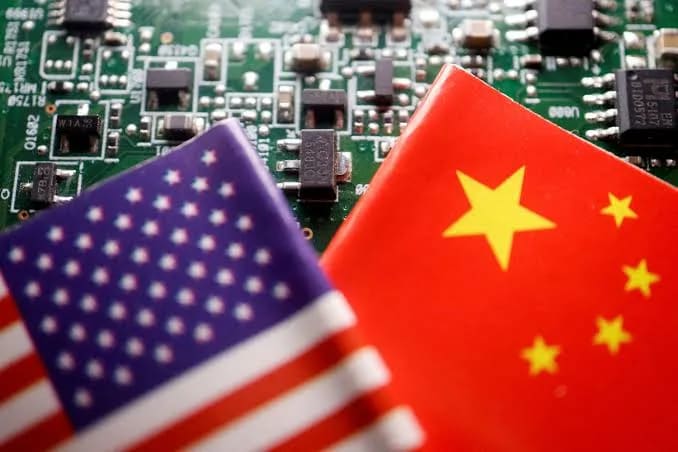
US chip restrictions on Southeast Asia could limit China's access to advanced AI chips, disrupt data centres and increase technology costs.
The new US chip restrictions on Southeast Asia are expected to create fresh challenges for China's artificial intelligence (AI) industry by limiting its access to advanced American semiconductors and overseas computing facilities. Announced on November 16, 2026, the new measures introduced by the Trump administration aim to prevent Chinese companies from accessing restricted US-made AI chips through data centres operating in third countries.
The restrictions specifically affect Singapore, Malaysia, Thailand, Indonesia and Brazil, where certain advanced semiconductor shipments will now require US government approval. The move is part of Washington's broader efforts to strengthen technology export controls and prevent China from accessing powerful computing resources through overseas businesses.
US Tightens Restrictions on Advanced AI Chips
The latest measures extend existing American export controls beyond the direct shipment of semiconductors. Previously, Chinese technology companies could access advanced US-designed chips by renting computing capacity from data centres located outside China.
This arrangement allowed businesses to use powerful processors without physically importing restricted hardware into the country. However, the new US regulations seek to close this loophole by introducing licensing requirements for certain overseas data centres that provide significant computing capacity to companies headquartered in China.
Under the new rules, affected data centre operators must obtain the necessary US licences to continue providing covered computing services. Existing operators covered by the requirements have 90 days from the rule's effective date to apply. The regulations also introduce stricter customer verification requirements, requiring companies to examine ownership structures and identify the ultimate users of advanced computing resources.
Why Southeast Asia Has Become a Target
Southeast Asia has emerged as an important destination for global data centre investment because of its growing digital economy, expanding cloud infrastructure and increasing demand for artificial intelligence services.
Countries such as Singapore, Malaysia, Thailand and Indonesia have attracted substantial investments from international technology companies seeking to establish regional computing facilities. Chinese technology businesses have also relied on overseas infrastructure to access advanced computing resources. This has raised concerns among US policymakers that restricted semiconductors could reach Chinese companies through third-party data centres.
Washington has identified the five affected countries as jurisdictions presenting a higher-than-normal risk of semiconductor diversion. As a result, companies importing certain advanced American chips into these markets will face additional licensing requirements. The move could increase operating costs, delay infrastructure expansion and create uncertainty for businesses planning new data centre investments.
How the New US Chip Restrictions Will Affect China
The new US chip restrictions on Southeast Asia could have significant consequences for China's technology industry, particularly companies developing advanced AI models. Chinese technology firms have increasingly depended on overseas computing infrastructure to access high-performance processors that are difficult to obtain directly because of American export controls.
By introducing licensing requirements for data centres serving Chinese businesses, Washington is attempting to restrict another route through which Chinese companies access advanced computing power. This could make AI development more expensive and complicated for Chinese businesses. Companies may face higher infrastructure costs, delays in securing computing resources and greater uncertainty when planning large-scale AI projects.
The restrictions could also affect China's ability to compete with American technology companies in developing advanced AI systems. Access to powerful processors remains an important factor in training sophisticated AI models and supporting large-scale computing operations. However, the overall impact will depend on how US authorities implement the licensing system and which companies receive approval.
Southeast Asia's Data Centre Industry Faces Uncertainty
Although the measures are designed primarily to limit China's access to advanced American technology, Southeast Asian economies could also experience considerable economic consequences.
Malaysia, Singapore, Thailand and Indonesia have been positioning themselves as important destinations for data centre development. The new licensing requirements could create additional compliance responsibilities for technology companies operating in these markets.
Businesses may need to strengthen customer verification systems, review ownership arrangements and demonstrate that their computing infrastructure is not being used to circumvent American export controls. Malaysia could face particular pressure because of its rapidly expanding data centre market. Singapore, meanwhile, could experience additional scrutiny because of its established position as a regional cloud computing and technology hub.
The restrictions may also influence future investment decisions as international technology companies reassess the regulatory risks associated with operating in the region. However, US-headquartered technology companies operating data centres in the affected countries are covered by specific exemptions, subject to applicable conditions and reporting requirements.
China Could Accelerate Its Domestic Semiconductor Industry
The restrictions could also encourage China to strengthen its domestic semiconductor manufacturing capabilities. Beijing has already made technological self-reliance a major economic and industrial priority. Limiting access to advanced American processors could increase pressure on Chinese companies to develop alternative chips and build independent computing infrastructure.
China may increase investment in domestic semiconductor manufacturers, AI hardware research and alternative computing technologies. Such developments could eventually reduce the country's dependence on American technology. However, building competitive advanced semiconductor manufacturing capabilities requires substantial investment, technical expertise and time.
In the short term, restrictions on overseas computing resources could create additional challenges for Chinese AI developers. In the longer term, they could accelerate efforts to establish a more independent technology ecosystem.
US-China Technology Rivalry Continues to Intensify
The latest restrictions highlight the growing competition between Washington and Beijing over artificial intelligence, semiconductors and advanced computing technologies.
The announcement also comes ahead of US President Donald Trump's planned meeting with Chinese President Xi Jinping in Shenzhen during the Asia-Pacific Economic Cooperation summit.
China has criticised the American measures, describing them as economic coercion and indicating that it will take necessary steps to protect its interests. The latest developments suggest that access to advanced semiconductor technology will remain a major point of disagreement between the world's two largest economies.
For Southeast Asian countries, the situation presents a difficult balancing act. The region maintains important economic relationships with both the United States and China, making it increasingly challenging for businesses and governments to navigate competing regulatory requirements.
What Happens Next?
The impact of the new US chip restrictions on Southeast Asia will largely depend on licensing decisions, enforcement measures and the response of affected technology companies. Chinese businesses could face greater difficulties accessing overseas AI computing infrastructure, while data centre operators may need to reconsider their customer relationships and compliance strategies.
At the same time, Southeast Asian governments will have to balance attracting international technology investment with meeting the regulatory expectations of major trading partners.
While the restrictions may slow China's access to advanced American computing resources, they could also encourage greater investment in domestic semiconductor technology and alternative AI infrastructure. Ultimately, the latest move represents another significant development in the global technology rivalry, with consequences extending beyond China to the wider semiconductor and artificial intelligence industries.
Source : https://www.bbc.com/news/articles/cwq6e2qgvmlgo
Follow The Global Biz Insider For More Such News .