U.S. Election Interference Claims Against Canada Draw Scrutiny
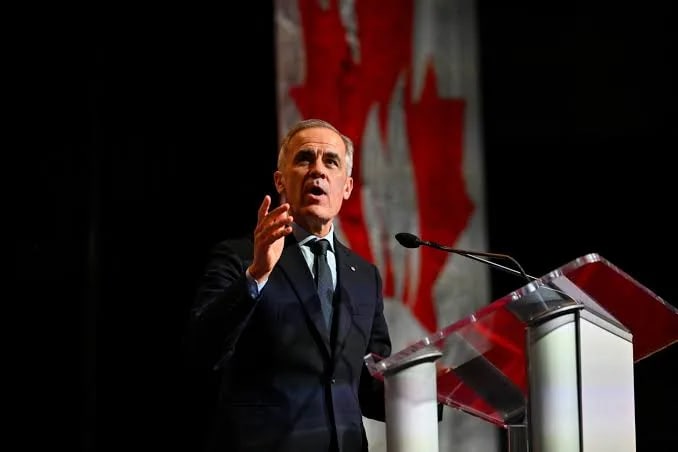
U.S. election interference claims against Canada face scrutiny as Donald Trump endorses foreign candidates ahead of the November 3 midterm elections.
U.S. election interference claims against Canada are drawing renewed scrutiny as President Donald Trump’s administration warns Canadian officials against involvement in the November 3, 2026, U.S. midterm elections. The accusations have prompted questions about Washington’s position, particularly because Trump has publicly endorsed several political candidates in other countries since returning to the White House in early 2025.
According to a report by CBC News published on October 26, American officials have raised concerns about actions by Canadian politicians and diplomatic representatives that they believe could influence U.S. electoral politics. However, critics argue that Trump’s own record of supporting foreign candidates complicates the administration’s position on political interference.
The controversy comes amid strained relations between the neighbouring countries over trade tariffs, diplomatic engagement, and broader political disagreements.
Trump’s Endorsements of Foreign Political Candidates
Since returning to office in 2025, Trump has publicly backed candidates and political leaders in several countries. These endorsements have included politicians in Poland, Honduras, Colombia and Japan.
He has also expressed support for Israeli Prime Minister Benjamin Netanyahu ahead of an upcoming election and backed former Hungarian Prime Minister Viktor Orbán during his unsuccessful re-election campaign. U.S. Vice-President JD Vance also appeared at a political rally in Budapest in support of Orbán.
Trump’s involvement in foreign electoral contests has become a central point of discussion as his administration raises concerns about potential Canadian influence on American voters.
During a February meeting of his Board of Peace, Trump acknowledged that endorsing foreign candidates was not something he was supposed to do, but suggested that he was comfortable with the practice when it produced results.
His comments have fuelled debate over whether the administration is applying a consistent standard to foreign political involvement.
U.S. Embassy Raises Concerns About Canadian Activities
The U.S. Embassy in Ottawa released a fact sheet outlining activities it described as potential interference in American elections. The document followed public accusations by Trump and members of his administration that Canadian politicians were becoming involved in U.S. electoral affairs.
Among the examples cited was Liberal Member of Parliament Anthony Housefather’s participation in canvassing for a Democratic candidate in Florida during a primary election. Housefather has described the candidate as a friend.
The embassy also pointed to public comments by Canadian Industry Minister Mélanie Joly concerning Canada's counter-tariff strategy, meetings between Canadian representatives and American politicians, and advertising campaigns associated with the Ontario government and the Canadian federal government.
Canadian officials have rejected the suggestion that these activities constitute an attempt to influence the outcome of the U.S. midterms.
Prime Minister Mark Carney dismissed the allegations, saying there was no merit to the claims. He also defended Canada's right to maintain diplomatic relationships and engage with American political representatives.
Canadian Diplomats Advised to Exercise Caution
As tensions escalated, Global Affairs Canada instructed Canadian diplomats in the United States to exercise caution during the midterm election period.
According to CBC News, the guidance advised diplomats to avoid meeting with U.S. midterm candidates, attending events with them, or appearing in photographs and promotional materials alongside them.
The guidance reflects concerns that routine diplomatic engagements could be interpreted as political endorsements or attempts to influence voters during a closely watched election.
Canadian officials have maintained that their government has no intention of interfering in American democratic processes. At the same time, they have argued that meetings with representatives from both major U.S. political parties are a normal part of international diplomacy.
Daniel Drezner, a professor of international politics at Tufts University, told CBC News that the accusations were difficult to reconcile with the Trump administration’s own history of involvement in foreign elections.
Former U.S. ambassador to Canada James Blanchard also questioned the credibility of the accusations, citing Trump's public endorsements of foreign political candidates.
Why Trump’s Foreign Endorsements Matter
The controversy highlights a longstanding diplomatic convention: national leaders generally avoid openly campaigning for candidates in another country's elections.
Governments must often maintain working relationships with whichever political party wins an election. Publicly supporting one candidate over another can complicate those relationships and create the perception that a foreign government is attempting to influence a country's political direction.
Trump's endorsements have challenged that convention, particularly because he is the sitting U.S. president rather than a private citizen or former officeholder.
The distinction is important. Former U.S. president Barack Obama publicly endorsed former Canadian prime minister Justin Trudeau during the 2019 and 2021 Canadian election campaigns, after leaving office. Senator Bernie Sanders also supported former New Democratic Party leader Jagmeet Singh during the 2021 campaign.
Drezner noted that endorsements by individuals outside the executive branch differ from actions taken by a sitting president, whose statements can carry greater diplomatic and political weight.
The debate therefore extends beyond individual endorsements to questions about the responsibilities of government leaders and the standards applied to foreign political engagement.
Trade Tensions Add to the Political Dispute
The allegations have emerged against the backdrop of continuing trade tensions between Canada and the United States.
Tariffs and counter-tariffs have become significant issues in American electoral politics, particularly in border states where businesses and workers depend heavily on cross-border trade.
Republican candidates in states such as Michigan and Maine have faced pressure over the economic consequences of tariffs on Canadian goods. Senator Susan Collins of Maine has said she secured certain exemptions from the tariffs and would continue pursuing additional relief and a broader trade agreement with Canada.
These developments illustrate how economic disputes can influence election campaigns and shape relations between political leaders.
Drezner suggested that the Trump administration could blame Canada if Republicans perform poorly in the midterm elections. Such a scenario could further strain diplomatic relations, although Carney said he did not expect the United States to impose additional tariffs on Canadian exports because of an election result.
Alberta Separatism Adds Another Layer to U.S.-Canada Relations
The broader debate over foreign influence also extends to political developments within Canada.
U.S. Treasury Secretary Scott Bessent previously described Alberta as a potential natural partner for the United States while discussing the possibility of a separation referendum in the province.
Additionally, reporting cited by CBC News has raised questions about contacts between American political operatives and Alberta separatists. These developments have added another dimension to concerns about foreign involvement in Canadian political affairs.
While diplomatic engagement and political discussions do not automatically constitute election interference, they can become sensitive when questions of national sovereignty, territorial integrity, and democratic decision-making are involved.
U.S. Embassy Declines to Comment on Trump’s Endorsements
CBC News contacted the U.S. Embassy in Ottawa and asked whether a Canadian official making a similar endorsement of an American midterm candidate would be considered potential election interference.
The embassy declined to comment on the question.
The response has left the issue of consistent standards unresolved, as Canadian officials continue to reject Washington's allegations and American representatives maintain concerns about potential foreign influence.
The disagreement also demonstrates how political statements, diplomatic meetings, and public endorsements can take on greater significance during an election campaign.
What Happens Next?
With the U.S. midterm elections scheduled for November 3, the dispute could remain a point of tension between Washington and Ottawa in the coming days.
The outcome of the election will determine control of key congressional seats and could influence the future direction of U.S. domestic policy, trade relations, and international partnerships.
For Canada, the immediate challenge is to preserve diplomatic and economic ties with its largest trading partner while responding to allegations of political interference.
For the Trump administration, the controversy raises questions about how it defines foreign electoral involvement and whether the same expectations apply to American officials when they comment on political contests abroad.
As the election approaches, the debate over U.S. election interference claims is likely to remain closely connected to wider discussions about diplomatic conventions, political accountability, and the relationship between the United States and Canada.
Source: https://l1nq.com/1wdwh1q
Follow The Global Biz Insider .