US Envoys Meet Putin as Russia-Ukraine Peace Talks Continue in 2026
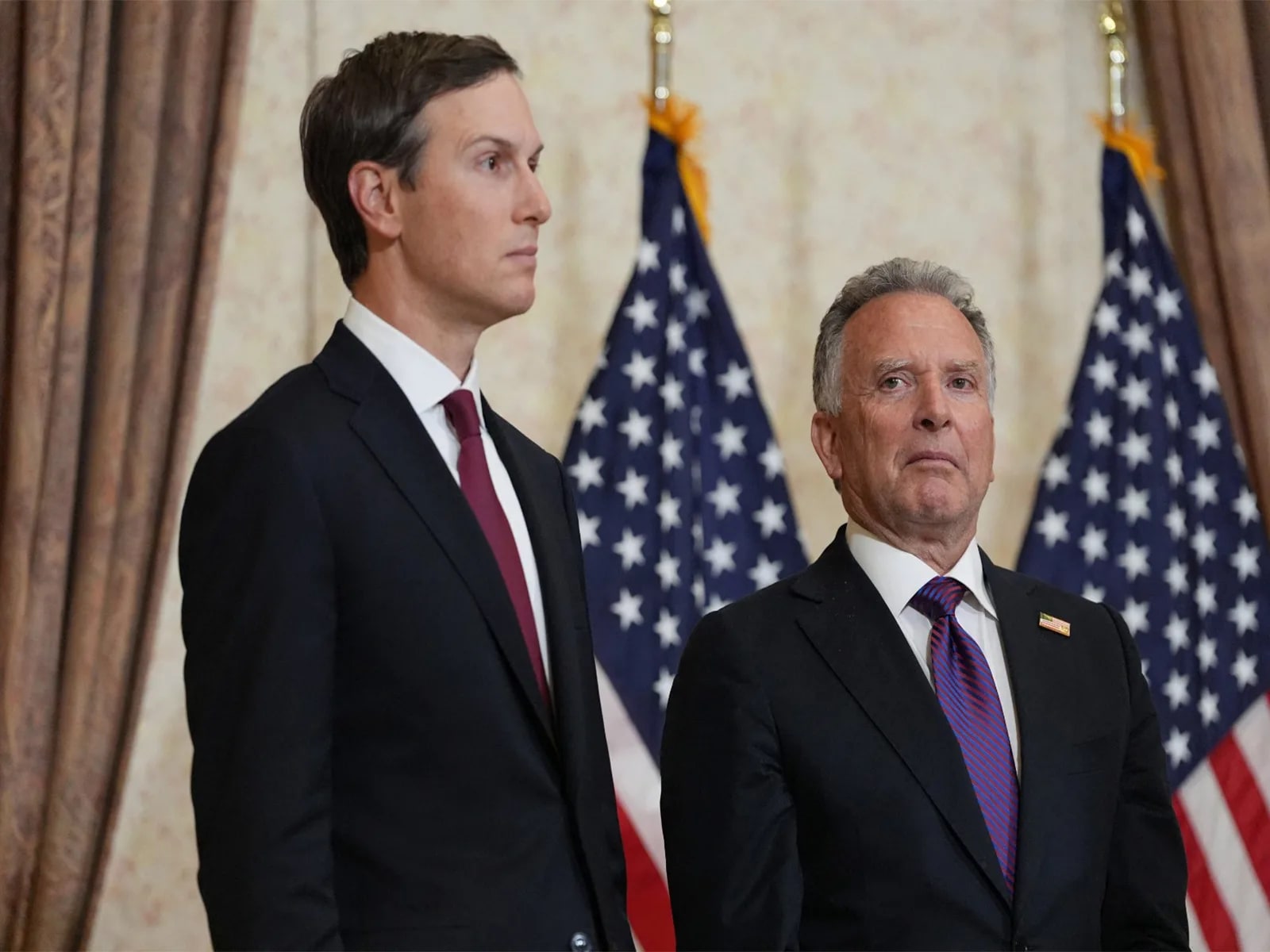
US envoys Steve Witkoff and Jared Kushner meet Vladimir Putin following Ukraine peace talks in Abu Dhabi, as disagreements over territory
Diplomatic efforts to end the ongoing Russia-Ukraine war have gained renewed attention after US President Donald Trump's special envoys, Steve Witkoff and Jared Kushner, met Russian President Vladimir Putin in Moscow on November 12, 2026. The meeting followed two days of US-mediated negotiations between Russian and Ukrainian representatives in Abu Dhabi, United Arab Emirates. Although the discussions raised hopes for renewed diplomatic progress, major disagreements continue to stand in the way of a comprehensive peace agreement.
US Envoys Hold High-Level Meeting With Vladimir Putin
Steve Witkoff and Jared Kushner travelled to Moscow to brief Vladimir Putin on the outcomes of the recent negotiations between Russia and Ukraine. The Kremlin meeting lasted approximately two hours and focused on possible ways to move the peace process forward. The US representatives have been playing an important role in President Donald Trump's diplomatic efforts to bring both sides closer to an agreement.
The Moscow meeting was particularly significant because it came after the first direct discussions between Russian and Ukrainian representatives in nine months. Washington is attempting to create fresh momentum in negotiations that have struggled to produce meaningful progress despite repeated diplomatic initiatives.
Following their meeting with Putin, Witkoff and Kushner were expected to travel to Dublin, Ireland, to hold discussions with Ukrainian President Volodymyr Zelenskyy. The diplomatic engagement reflects Washington's effort to maintain communication with both Moscow and Kyiv while exploring possible compromises.
Abu Dhabi Negotiations Produce Prisoner Exchange Agreement
The two-day negotiations in Abu Dhabi ended without a major breakthrough on ending the nearly five-year conflict. However, Russian and Ukrainian representatives agreed to a significant prisoner exchange, offering a positive development amid continuing hostilities.
Jared Kushner described the discussions as serious and detailed, indicating that both sides had shared proposals intended to narrow their differences. Although the prisoner exchange represents a humanitarian step forward, the broader issues surrounding territory, military security and the future relationship between Russia and Ukraine remain unresolved.
Prisoner exchanges have previously provided opportunities for limited cooperation between the two countries, even during periods of intense military confrontation. Nevertheless, reaching an agreement on humanitarian matters does not necessarily mean that both governments are close to accepting a comprehensive political settlement.
European Participation Becomes a Major Issue in Peace Negotiations
One of the most complicated questions surrounding the Russia-Ukraine peace talks is whether European countries should participate directly in negotiations. The United States and Ukraine support involving European representatives in discussions about the continent's future security arrangements.
Kushner indicated that one objective of the Moscow meeting was to obtain Putin's approval for European participation in the diplomatic process. Washington and Kyiv believe that European involvement is important because any long-term agreement could significantly affect the wider European security environment.
However, Moscow has expressed opposition to European countries participating directly in negotiations, arguing that several European governments are financially and militarily supporting Ukraine. This disagreement highlights the different priorities of the parties involved.
European leaders are particularly concerned about Russia's long-term intentions and the possibility that a peace agreement could create additional security risks for neighbouring countries.
Territorial Disputes Continue to Complicate Peace Efforts
Territorial disagreements remain among the biggest obstacles to ending the Russia-Ukraine war. Moscow continues to maintain its claims over four Ukrainian regions it annexed in 2022, despite never having established full control over all the territories.
Ukraine, meanwhile, has repeatedly rejected demands to surrender occupied land as part of a peace settlement. President Volodymyr Zelenskyy maintains that protecting Ukraine's territorial integrity is essential to any lasting agreement.
The disagreement creates a difficult challenge for international mediators. Any proposed settlement must address Russia's territorial demands while considering Ukraine's sovereignty and internationally recognised borders.
Without meaningful progress on this issue, negotiations are likely to remain complicated regardless of how frequently diplomatic meetings take place.
Putin Rejects the Possibility of European Troops in Ukraine
Security guarantees are another major concern in the ongoing negotiations. Ukraine wants assurances that Russia will not launch another invasion if a ceasefire or peace agreement is reached.
However, Putin has strongly opposed the deployment of European military forces in Ukraine following a potential ceasefire. He warned that Moscow would consider such forces a security threat and legitimate targets, raising concerns about the possibility of renewed fighting.
The disagreement demonstrates how difficult it may be to establish a security framework acceptable to both countries. Ukraine wants international protection against future aggression, while Russia opposes arrangements that could increase NATO or European military influence near its borders.
Finding a mutually acceptable security agreement will therefore be essential to achieving a sustainable resolution.
Zelenskyy Looks for a Diplomatic Opportunity in Europe
Ukrainian President Volodymyr Zelenskyy has continued diplomatic engagements with European leaders as international efforts to end the conflict develop. During his visit to Dublin, he participated in discussions involving more than 40 European countries, with NATO Secretary-General Mark Rutte also attending.
Zelenskyy suggested that upcoming political developments in the United States and Europe could create a new opportunity for peace negotiations. Changes in political leadership and shifting international priorities could influence the direction of future diplomatic discussions.
Meanwhile, NATO officials have indicated that the United States, Europe and Ukraine share similar views on the importance of security guarantees. However, establishing an actual peace agreement or ceasefire remains a significant challenge.
Russia-Ukraine War Continues Despite Diplomatic Efforts
While diplomatic discussions are taking place, military activities continue across Ukraine. Russian attacks on Ukrainian infrastructure, including energy facilities, remain a major concern as the country approaches another difficult winter.
Continued attacks have increased pressure on civilian communities, particularly those affected by damage to electricity, heating and other essential services. The humanitarian consequences of the conflict remain severe, highlighting the importance of achieving a meaningful ceasefire.
The ongoing war also demonstrates the gap between diplomatic progress and conditions on the battlefield. Even when representatives agree on certain principles or humanitarian measures, disagreements over territory and security can prevent negotiations from moving forward.
What Lies Ahead for Russia-Ukraine Peace Negotiations?
The meetings involving Putin, Witkoff, Kushner and Zelenskyy represent another important stage in international efforts to end the Russia-Ukraine conflict. However, the latest discussions have demonstrated that a peaceful settlement will require more than diplomatic engagement alone.
The future of occupied Ukrainian territories, European participation, postwar security guarantees and military arrangements remain unresolved. These issues will require careful negotiations and compromises from the countries involved.
The agreement on a prisoner exchange provides a limited but meaningful sign that communication between Moscow and Kyiv remains possible. Nevertheless, whether this diplomatic momentum can translate into a lasting ceasefire remains uncertain.
As the conflict approaches its fifth year, international attention will continue to focus on Washington's mediation efforts and the willingness of Russia and Ukraine to find common ground. The coming diplomatic discussions could prove important in determining whether the latest peace initiative creates genuine progress or becomes another unsuccessful attempt to end the war.
Source: https://apnews.com/article/russia
Follow: https://globalbizinsider.com/