US Midterm Elections 2026: $12 Billion Spending and Key Battles
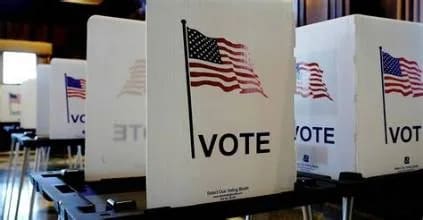
Explore the 2026 US midterm elections, the battle for Congress, nearly $12 billion in campaign advertising spending, and the implications for Trump's presidency
The 2026 US midterm elections are emerging as a major political turning point for the United States, with voters preparing to decide the balance of power in Congress and numerous state governments. Scheduled for November 3, 2026, the elections will determine whether Republicans retain control of both chambers of Congress or Democrats gain the opportunity to challenge President Donald Trump's legislative agenda. Although the president himself is not on the ballot, the results will serve as an important indicator of public opinion regarding his administration's policies, economic decisions, and political leadership.
US Midterm Elections 2026: What Is at Stake?
US midterm elections take place halfway through a president's four-year term and are widely viewed as a referendum on the administration in power. In 2026, the election will involve all 435 seats in the House of Representatives, 35 Senate seats, gubernatorial contests in 36 states, and thousands of state legislative positions. These elections are significant because control of Congress influences the passage of legislation, government spending, taxation, national security policies, and oversight of the executive branch.
The outcome could have a direct impact on the final two years of Donald Trump's current presidential term. If Democrats gain control of either chamber of Congress, they could make it more difficult for the administration to advance its legislative priorities and increase scrutiny of federal policies. Conversely, a Republican victory would help the president maintain stronger congressional support and continue pursuing his political agenda.
The Battle for Control of the US House and Senate
The US House of Representatives is expected to be one of the most closely watched parts of the 2026 midterm elections. All 435 seats are being contested, and 218 seats are required for a majority. Republicans currently hold a narrow advantage, making a relatively small number of competitive races potentially decisive. Democrats are seeking the net gains needed to take control of the chamber and influence the legislative direction of the country.
The Senate contest is equally important, with 35 seats up for election, including special elections in Florida and Ohio. Republicans currently hold a 53–47 advantage when the two independents who caucus with Democrats are counted on the Democratic side. Democrats need a net gain of four seats to secure a majority of 51. Closely contested Senate races could therefore determine the future direction of federal legislation, judicial confirmations, and government oversight.
Political Advertising Spending Expected to Reach $12 Billion
One of the most striking features of the 2026 US midterm elections is the enormous amount of money expected to be spent on political advertising. Estimates from advertising-tracking firms suggest that spending during the 2025–2026 election cycle could approach $12 billion, potentially surpassing previous records. The expenditure highlights the increasingly competitive nature of American elections and the importance political parties place on reaching voters through television, digital platforms, social media, and other advertising channels.
Political advertising plays a significant role in shaping public awareness of candidates and their policy positions. Campaigns use advertisements to promote their achievements, criticize opponents, communicate economic proposals, and encourage voter participation. The growing importance of digital media has also created new opportunities for targeted campaigning. However, rising advertising expenditure raises questions about campaign finance, the influence of wealthy donors, and whether financial resources give some candidates a substantial advantage over their competitors.
Economic Concerns and Trump's Approval Ratings
Economic conditions are expected to remain a central issue for voters during the 2026 US midterm elections. Inflation, household expenses, employment opportunities, taxation, and the broader cost of living can influence how Americans evaluate the performance of the federal government. When voters experience financial pressure, economic concerns can become a deciding factor in their choice of candidates.
President Donald Trump's approval ratings and public perceptions of his economic policies may also influence Republican performance. Opinion polls conducted before the election have indicated challenges for the administration, although individual surveys vary in their findings and methodologies. These figures should be interpreted as snapshots of public opinion rather than predictions of the final result. Ultimately, turnout, local issues, candidate quality, and campaign effectiveness will all contribute to the outcome.
Why State Elections Matter in 2026
Beyond Congress, the 2026 elections will include gubernatorial races in 36 states and thousands of state legislative contests. These elections are important because state governments have considerable authority over education, healthcare, infrastructure, public safety, taxation, and election administration. Governors and state lawmakers can shape policies that directly affect the daily lives of residents.
State-level results can also influence the national political environment. Strong performances by either party may provide momentum for future campaigns, help develop emerging political leaders, and shape strategies for the 2028 presidential election. Competitive gubernatorial races are therefore likely to attract substantial campaign spending and national attention.
What the Midterm Results Could Mean for Trump's Presidency
The 2026 midterm elections could significantly affect the relationship between the White House and Congress. If Republicans retain control of both chambers, the administration may find it easier to advance its legislative priorities. If Democrats take control of the House or Senate, congressional negotiations could become more difficult, while investigations and oversight of federal agencies may receive greater attention.
A change in congressional control would not automatically prevent the president from carrying out every policy objective. However, it could affect the approval of legislation, federal budgets, appointments, and other decisions requiring congressional involvement. The results may also influence how political parties prepare for the 2028 presidential election, making the midterms important beyond their immediate legislative consequences.
Conclusion
The 2026 US midterm elections represent a crucial test for President Donald Trump, the Republican Party, and the Democratic opposition. With all 435 House seats contested, 35 Senate seats at stake, gubernatorial elections across 36 states, and campaign advertising expenditure potentially approaching $12 billion, the election is expected to attract significant national and international attention. The outcome will determine the balance of political power in Washington and influence the administration's ability to pursue its priorities during the final two years of Trump's term.
More broadly, the election will demonstrate how economic concerns, voter sentiment, campaign financing, and state-level political competition shape American democracy. As November 3 approaches, the central question is whether voters will maintain the existing political balance or demand a shift in congressional leadership.
Source: https://www.news18.com/world/us-midterms
Follow: Global Biz Insider