AI Data Centres Are Rewriting the Global Power Equation
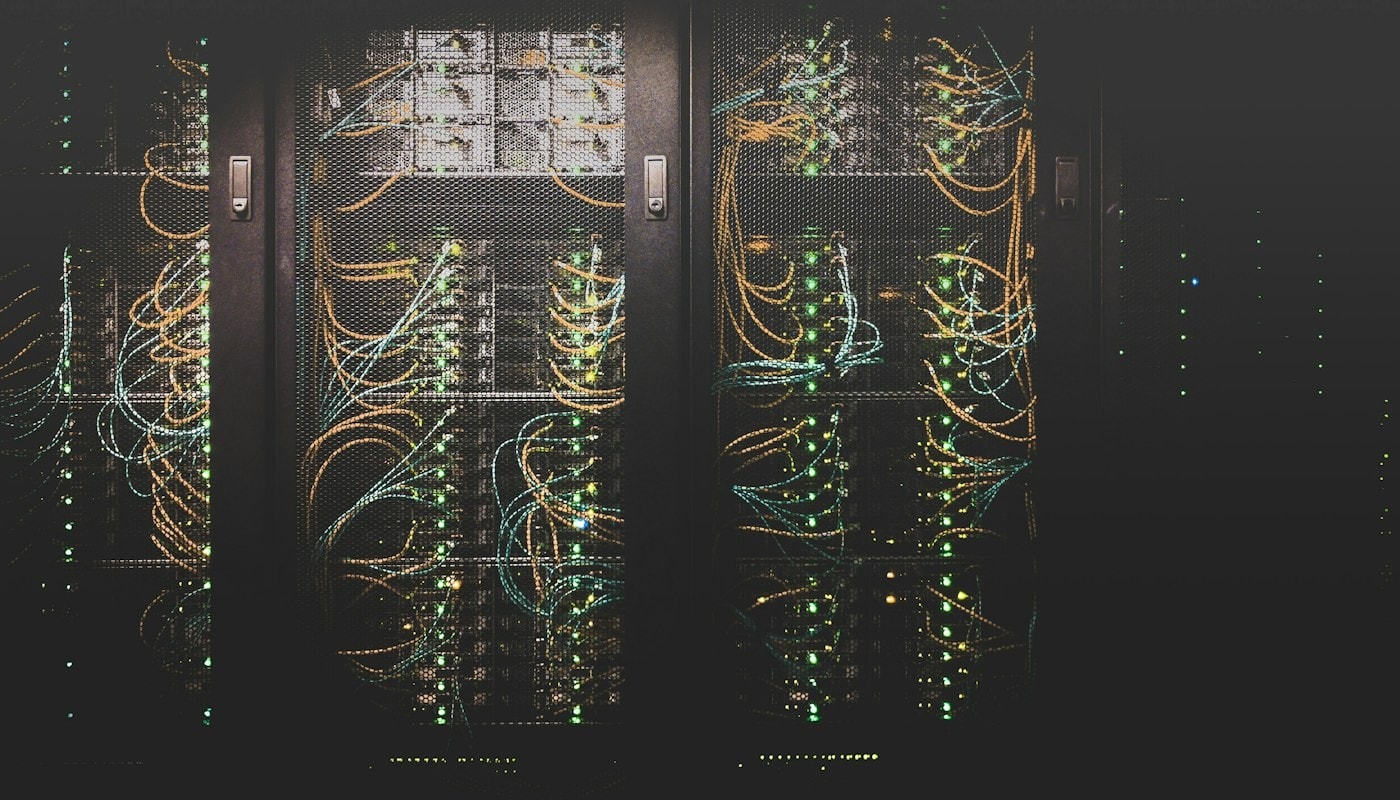
AI demand is driving new data-centre investment worldwide. Power availability, grid capacity and energy contracts are becoming strategic business constraints.
The artificial intelligence boom is changing the economics of digital infrastructure. The visible story is a race to build larger data centres and secure advanced computing hardware. The less visible constraint is electricity: a facility cannot deliver compute capacity without reliable power, cooling, network connections and a viable plan for its energy costs.
Compute capacity now depends on the grid
The International Energy Agency’s Electricity 2026 analysis forecasts average global electricity-demand growth of 3.6% a year from 2026 through 2030, with industry, electric vehicles, air conditioning and data centres among the drivers. In the United States, the IEA expects data centres to account for around half of electricity-demand growth through 2030. These projections make power access a strategic site-selection issue for cloud providers, AI companies and the businesses that depend on them.
Developers need to evaluate more than land and fibre connectivity. Grid connection timelines, available capacity, transmission constraints, cooling requirements and local permitting can determine when a data centre becomes operational. A project that secures equipment but waits years for power risks tying up capital before it can generate revenue.
Energy procurement is becoming a competitive capability
Technology companies are exploring long-term power purchase agreements, renewable generation, storage and flexible demand to manage both cost and carbon exposure. Each option has trade-offs. Renewable contracts can support price visibility and emissions goals, but hourly matching, location and transmission availability matter. Batteries can shift energy over short periods, while backup systems protect critical workloads during outages. Neither eliminates the need for a robust grid connection.
Power markets vary widely. Some regions offer abundant generation but limited transmission; others have mature grids but slow interconnection queues. Businesses evaluating sites should stress-test their assumptions against peak demand, weather events, fuel-price volatility and the time needed to expand capacity. Energy planning increasingly belongs in the same investment process as chip procurement and cloud architecture.
Communities and customers are part of the equation
Large loads can compete with other local users for power and water. That makes transparent planning important for communities, regulators and utilities. Developers can strengthen a project’s case by explaining its expected load profile, efficiency measures, water strategy, backup arrangements and contribution to local infrastructure. They should also avoid presenting a renewable-energy contract as proof that a site is physically supplied by clean power at every hour.
Customers are also asking more detailed questions about the environmental footprint of AI services. Companies that measure energy use per workload and improve utilisation may gain an operational advantage as well as a stronger sustainability story. Better software efficiency can reduce the amount of infrastructure needed to serve each task.
The next phase is an infrastructure race
Data-centre competition is shifting from who can announce the largest build to who can bring capacity online reliably and economically. Investors should track grid access, contracted power, construction milestones, utilisation and energy efficiency. AI adoption may be global, but the infrastructure that enables it is constrained by local electricity systems. Power has become a core input to the digital economy.
Research reference: IEA Electricity 2026 outlook.