Battery Storage Is Becoming a Global Flexibility Market
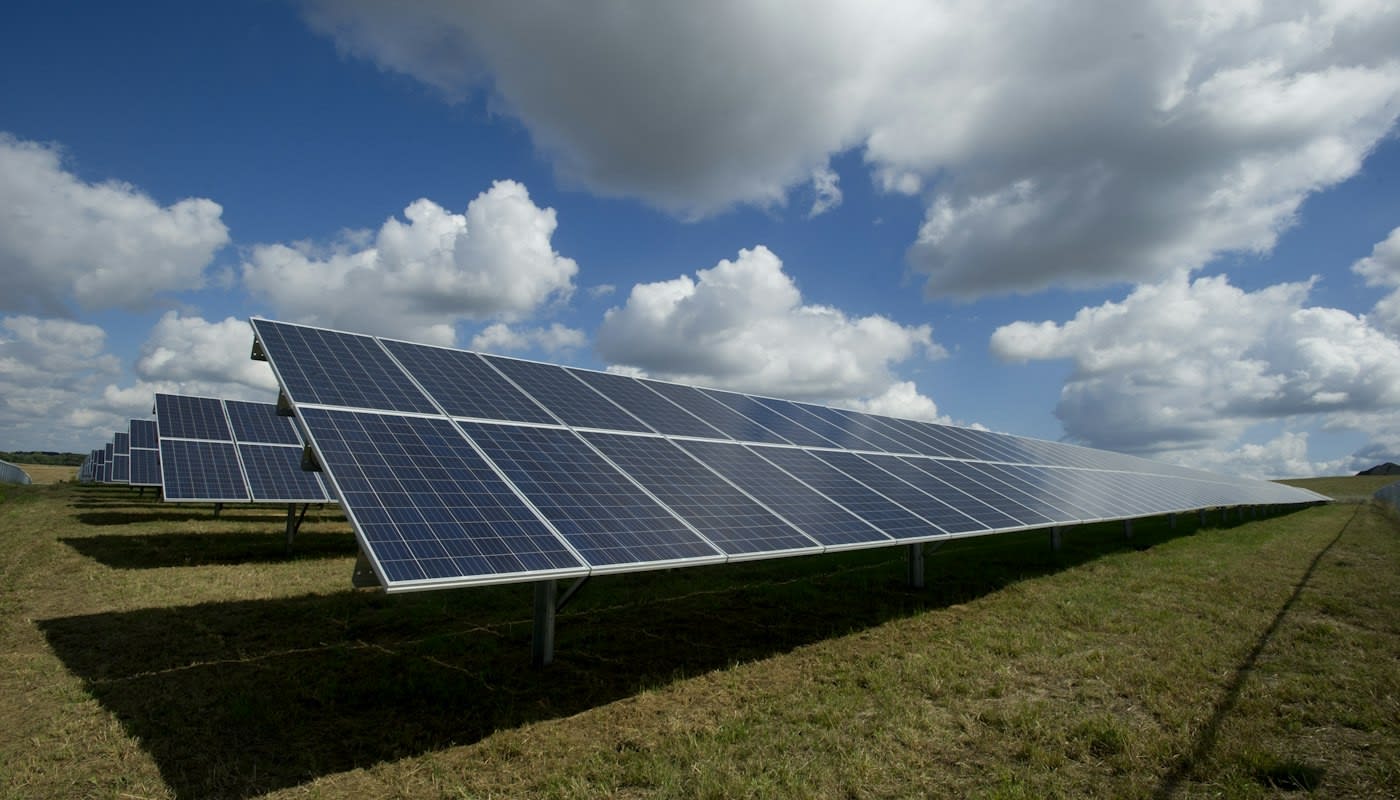
Global battery installations are accelerating as grids absorb more renewables. Revenue design, safety and grid access will determine which projects endure.
Battery storage has moved from a niche grid technology to a fast-growing part of the global power system. It can absorb electricity when supply is plentiful and release it when demand or system value is higher. That flexibility is increasingly useful as solar and wind expand, electricity consumption grows and grid operators manage more variable supply.
A rapid build-out, with different markets leading
The International Energy Agency reported that 108 gigawatts of new battery storage capacity were deployed worldwide in 2025, 40% more than in 2024. Utility-scale systems made up around 80% of new capacity, while installations behind the meter served commercial and residential users. China accounted for about 60% of additions, followed by the United States and Europe, though deployment is spreading to markets in Australia and the Middle East.
The market is not one product. Large grid batteries can provide short-duration flexibility, support renewable integration and help manage peaks. Commercial systems can reduce exposure to power interruptions or shift consumption. Residential batteries may pair with rooftop solar and backup needs. Each use case has different customers, operating cycles and revenue sources.
Revenue is built from several services
Battery projects can earn value through energy arbitrage, capacity availability, frequency response, congestion management or contracts with renewable generators and utilities. The revenue stack depends on local market rules and the ability to dispatch the battery when prices or system needs justify it. Project developers need to model charging costs, round-trip efficiency, degradation, warranty limits and the opportunity cost of reserving capacity for a particular service.
Revenue certainty matters as much as headline project cost. Long-term contracts can support financing, but must define dispatch rights, availability, performance measurement and responsibility for energy losses. Merchant exposure may create upside in volatile markets while increasing risk. Investors should understand which assumptions are contracted and which depend on future market prices.
Technology choice is an operating decision
Lithium iron phosphate batteries represented around 90% of new deployments in 2025, according to the IEA, reflecting their cost and cycling characteristics. Chemistry is only one decision. System design also includes inverters, thermal management, fire protection, controls, warranties and end-of-life plans. Operators need to monitor battery health and performance, maintain safe operating conditions and respond quickly to faults.
Grid connection can determine whether a technically strong project has commercial value. Developers must understand interconnection queues, local network capacity, permitting and the rules for providing services. A battery located where the grid needs flexibility may outperform a larger installation with a weaker connection or unclear dispatch arrangements.
From growth to durable returns
Rapid installation growth creates opportunities for manufacturers, integrators, software providers, financiers and utilities. It also raises questions around supply concentration, recycling, safety and the quality of operating data. As the market matures, buyers will compare lifetime performance and service quality rather than equipment price alone.
The global storage opportunity is therefore a systems business. Strong projects combine suitable technology, a bankable revenue model, secure grid access and disciplined operations. Those fundamentals will decide whether today’s deployment surge turns into dependable infrastructure.
Research reference: IEA Global Energy Review 2026: battery storage.