The Global EV Market Is Entering a More Competitive Phase
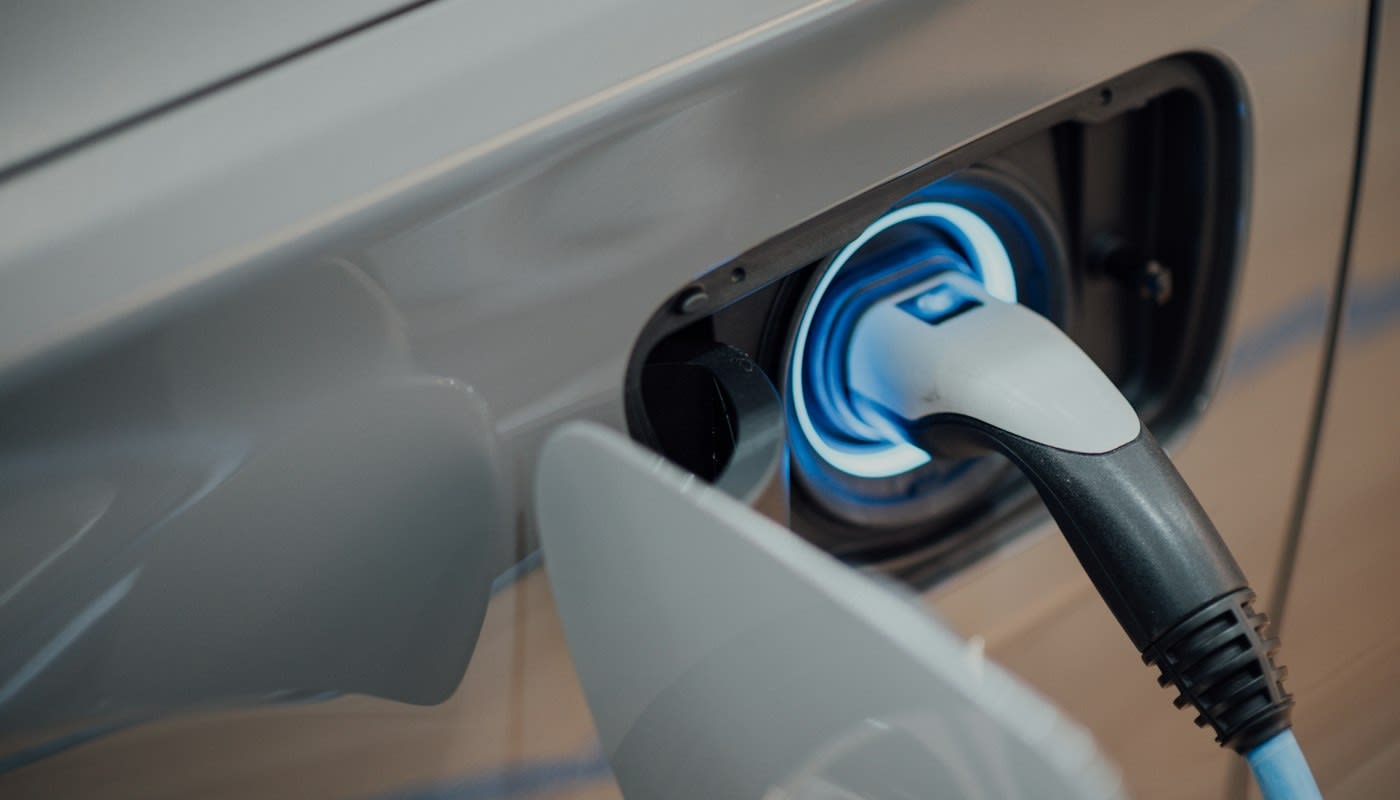
Global electric-car sales topped 20 million in 2025. The next phase will test affordability, charging access and automakers’ ability to compete across regions.
Electric vehicles are no longer a story confined to a few early-adopter markets. Sales are expanding across regions, automakers are broadening model ranges and competition is shifting toward price, manufacturing scale and customer access. The global market is growing, but the path is uneven: policy, income, charging networks and vehicle preferences differ substantially from one country to another.
Record sales are widening the market
The International Energy Agency’s Global EV Outlook 2026 says electric-car sales exceeded 20 million worldwide in 2025, a 20% increase from the prior year. One in four new cars sold globally was electric. China remained the largest market, while Europe rebounded strongly and sales also rose in parts of Southeast Asia, Latin America and the Middle East. More than 100 countries recorded growth in electric-car sales.
That expansion does not mean the same strategy works everywhere. Some buyers prioritise low purchase prices and compact vehicles; others want long range, larger models or access to home charging. Local financing, import duties, fuel prices and incentives all affect the total cost of ownership. Automakers need product portfolios and distribution models suited to the markets they want to enter.
Competition is moving into affordability and scale
More models give customers choice, but availability alone does not guarantee demand. The IEA notes that a small group of models still captures a meaningful share of global battery-electric sales. Manufacturers must match the right product to customer needs, control production costs and support vehicles through service networks and parts availability. Price cuts can generate volume, but they can also pressure margins and used-car values.
China-based manufacturers supplied about 60% of global electric-car sales in 2025, according to the IEA, while European and North American automakers each accounted for around 15%. This competitive landscape is encouraging investment in manufacturing and exports, while prompting established brands to revisit their cost structures, launch schedules and battery sourcing.
Charging is part of the product experience
Public charging coverage, home access, payment simplicity and charger uptime affect whether a buyer feels comfortable switching. The requirements vary by market: dense urban housing may make public charging essential, while rural and highway drivers need dependable corridor coverage. Fleets require predictable depot charging and high vehicle availability. Infrastructure developers must align site selection, grid connections and charger power with expected use.
Automakers, utilities, property owners and charging networks can improve adoption by coordinating investment and sharing accurate availability information. Interoperable payments and reliable service reduce friction. As the vehicle fleet grows, charging operators will need to balance expansion with utilisation and operating economics.
What the next chapter will test
Policy changes, battery costs and energy prices will continue to influence consumer decisions. Businesses should watch regional sales mix, affordable model launches, charging reliability, battery supply and service capacity—not just headline vehicle deliveries. The global EV market is becoming more diverse and contested. Long-term winners will combine competitive products with resilient supply chains and a customer experience that works after the vehicle leaves the showroom.
Research reference: IEA Global EV Outlook 2026.