FIFA Women’s World Ranking: Spain Leads as Malawi Rises 49 Places
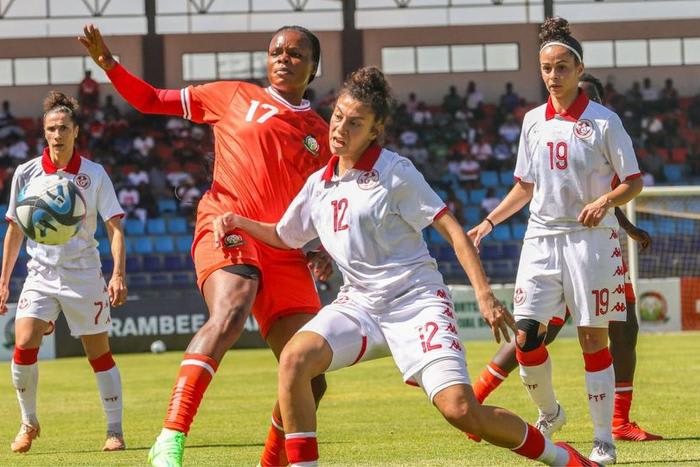
Spain extends its lead in the FIFA Women’s World Ranking as Malawi climbs 49 places to 104th after a historic WAFCON campaign
The latest FIFA Women’s World Ranking October 2026 has delivered some remarkable developments in international women’s football, with Spain strengthening its position at the top of the standings and Malawi emerging as one of the biggest success stories. The reigning world champions have widened their advantage over the United States following two closely watched international friendlies, while Malawi has achieved an unprecedented 49-place rise after an impressive campaign at the 2026 CAF Women’s Africa Cup of Nations (WAFCON). Denmark has also returned to the top 10 for the first time in 16 years, while several other national teams have recorded significant changes in their global positions. These developments highlight the increasing competitiveness of women’s football and build excitement ahead of the FIFA Women’s World Cup 2027 in Brazil.
According to the latest ranking update published by FIFA on October 20, 2026, the standings reflect the results of 183 international matches played during the latest international windows. The matches included FIFA Women’s World Cup 2027 qualifiers in Europe and Africa, African Olympic qualifying fixtures, and international friendly matches involving several leading national teams. The results have reshaped parts of the rankings, creating new milestones for emerging teams while reinforcing the positions of established football powerhouses. Spain remains the leading force in women’s international football, but Malawi’s extraordinary progress has become one of the most notable stories in this edition of the FIFA Women’s World Ranking.
Spain Strengthens Its Grip on the FIFA Women’s World Ranking
Spain continues to occupy first place in the FIFA Women’s World Ranking after producing an impressive performance against the United States during their October 2026 international double-header. The Spanish women’s national football team, widely known as La Roja, entered the fixtures as the reigning world champions and demonstrated why it remains one of the strongest sides in the global game. Spain secured a 2–0 victory in the first match before drawing 2–2 in the second encounter. The results allowed Spain to extend its advantage at the top of the standings to almost 80 ranking points, strengthening its position ahead of the next major international tournament.
The matches against the United States were particularly significant because both teams are widely regarded as leading contenders in women’s international football. Facing a highly competitive opponent away from home presented Spain with an opportunity to demonstrate its consistency, tactical organisation and ability to perform under pressure. The opening victory provided a strong statement of intent, while the subsequent draw ensured that Spain maintained its advantage across the two-match series. Rather than relying on a single result, the team showed that it could remain competitive throughout a demanding international window.
Spain’s continued success reflects the strength of its football development system, technical quality and ability to produce players capable of competing at the highest level. The Spanish women's national team has established itself as a major force through its performances in international competitions and its growing influence on the global game. Maintaining the top position in the FIFA Women’s World Ranking is a significant achievement, particularly as other leading teams continue to improve and challenge for international honours. With the FIFA Women’s World Cup 2027 approaching, Spain will aim to preserve its momentum and demonstrate that its position at the summit is supported by consistent performances against elite opposition.
United States Remains Second Despite Defeat to Spain
The United States women’s national soccer team remains second in the FIFA Women’s World Ranking despite its recent results against Spain. Although the American side lost the first match 2–0 and drew the second 2–2, it continues to occupy a leading position in the global standings. The United States has a long history of success in women’s football and remains one of the most recognisable national teams in the sport. Its continued presence near the top reflects its established competitive standards, strong player development pathways and extensive experience in major international tournaments.
The double-header against Spain also provided an important test for the American team as it continues preparing for future competitions. Matches against the world's leading sides help teams evaluate their tactical approaches, identify areas for improvement and assess the performance of emerging players. Although the results did not allow the United States to close the gap at the top, the second-match draw demonstrated its ability to compete against the reigning world champions. The team will look to use these experiences to strengthen its performances and remain among the leading contenders in international women's football.
Spain’s growing lead also illustrates how important head-to-head results can be when two leading teams meet during an international window. The FIFA Women’s World Ranking considers more than a team's reputation or historical achievements; match results and the strength of the opposition contribute to changes in ranking points. As a result, even established football nations must continue delivering strong performances to protect their positions. With Spain extending its advantage, the competition for the top spot remains an important storyline ahead of the FIFA Women’s World Cup 2027.
Germany Holds Third Place in the Latest FIFA Women’s Rankings
Germany remains third in the FIFA Women’s World Ranking following two victories in its home friendly matches against Australia and Japan. These results helped the German national team make up ground on the United States, keeping the race among the world's top three teams competitive. Germany has a distinguished history in women's football and continues to be a major presence in European and international competitions. Its position in the latest rankings reflects the team's ability to produce strong results against quality opponents.
Winning both matches during the latest international window was an important outcome for Germany, particularly as teams continue to assess their form ahead of the 2027 Women's World Cup. Friendly matches can provide opportunities to experiment with tactical systems, evaluate squad depth and build partnerships between players. However, positive results against established opponents can also strengthen confidence and contribute to improvements in ranking points. Germany's recent performances demonstrate that it remains well positioned to challenge the leading teams as the next global tournament approaches.
The presence of Spain, the United States and Germany in the top three underlines the high level of competition at the summit of women's international football. Each team brings different strengths, playing styles and tournament experience to the global stage. While Spain has extended its advantage, the United States and Germany remain close enough in the broader competitive picture to make future international fixtures significant. Their performances in the coming months will help shape expectations for the FIFA Women's World Cup 2027.
Malawi Makes an Extraordinary 49-Place Jump in the FIFA Women’s World Ranking
One of the biggest headlines from the latest FIFA Women’s World Ranking is the remarkable rise of Malawi. The Malawi women's national football team, popularly known as the Scorchers, climbed 49 places to reach 104th in the world rankings. This unprecedented improvement represents one of the most significant ranking movements in the latest update and highlights the team's progress in African and international women's football. Malawi also gained 158.44 ranking points, making it the biggest points gainer in this edition of the standings.
The rise follows Malawi's impressive performance at the 2026 CAF Women’s Africa Cup of Nations, which took place during July and August. The Scorchers progressed all the way to the final after overcoming several established African opponents, including Nigeria, Egypt, Ghana and Algeria. Their performances demonstrated resilience, determination and the ability to compete against teams with greater experience in major continental competitions. Reaching the final was a landmark achievement for the country and provided a strong foundation for its historic qualification for the FIFA Women’s World Cup 2027.
Malawi’s rise is especially significant because ranking improvements of this scale are difficult to achieve without a sustained run of strong results. The team's performances at WAFCON, combined with its results in Olympic qualifying matches, helped generate the points needed to climb 49 positions. Rather than being defined by one isolated victory, Malawi's progress reflects a broader period of competitive improvement. Its journey demonstrates how successful tournament campaigns can change the international standing of a national team and create new opportunities for players, coaches and supporters.
The achievement also brings greater visibility to women's football in Malawi. A significant improvement in the FIFA Women’s World Ranking can attract additional attention from fans, sponsors, sporting organisations and young players who may aspire to represent their country. The Scorchers' success provides a powerful example of how determination and competitive development can help a team make progress on the international stage. Their rise to 104th place is therefore more than a statistical milestone; it is a reflection of the growing ambitions of Malawian women's football.
Malawi Qualifies for the FIFA Women’s World Cup 2027
Malawi’s progress in the FIFA Women’s World Ranking is closely linked to another historic achievement: qualification for the FIFA Women’s World Cup 2027 in Brazil. The team's runners-up finish at the 2026 CAF Women’s Africa Cup of Nations secured its place at the global tournament for the first time. This milestone represents a major breakthrough for Malawian football and provides the national team with an opportunity to compete against some of the strongest women's football nations in the world.
Qualifying for a FIFA Women's World Cup can have a lasting impact on a country's football development. For Malawi, participation in the 2027 tournament will offer valuable experience against international opponents with different tactical approaches and competitive traditions. It will also give the players an opportunity to showcase their abilities on one of football's biggest stages. For supporters back home, the qualification campaign has created a reason to celebrate the national team's achievements and look forward to a new chapter in the country's sporting history.
The Scorchers will now have the opportunity to prepare for a demanding international tournament while building on the confidence gained from their recent performances. Preparation will be important, particularly when facing teams with extensive World Cup experience. Consistent training, competitive international fixtures, squad depth and tactical preparation will all contribute to Malawi's ability to perform at its best. Although the team will face significant challenges, its progress at WAFCON demonstrates that it has the potential to compete with established opponents.
Malawi's qualification also highlights the importance of supporting women's football beyond major tournaments. Long-term progress depends on investment in coaching, player development, competitive domestic leagues, facilities and opportunities for young athletes. The national team's recent achievements can help strengthen the case for greater support across the sport. If the momentum generated by qualification is sustained, Malawi could continue improving its international standing and inspire a new generation of footballers.
Cameroon Climbs Nine Places After Winning the African Championship
Cameroon is another African nation that has made substantial progress in the latest FIFA Women’s World Ranking. The team climbed nine places to reach 62nd position after winning the 2026 CAF Women’s Africa Cup of Nations. Cameroon defeated Malawi in the final to claim the continental title, establishing itself as the champion of African women's football in the latest tournament. Its rise reflects the importance of strong performances in major competitions and the influence that continental championships can have on international rankings.
The success of Cameroon's national team reinforces the competitive strength of women's football in Africa. African national teams have increasingly demonstrated their ability to challenge established opponents, develop talented players and deliver memorable performances in continental competitions. Cameroon’s achievement is particularly important because it shows that the progress of African women's football is not limited to one team. Malawi's rise, Cameroon's championship victory and the improvements recorded by other African nations collectively demonstrate the growing depth of competition across the continent.
For Cameroon, the next challenge will be to build on its continental success and maintain a strong level of performance in future international matches. Winning a major tournament can increase confidence and provide valuable experience, but continued progress requires consistent results. As the FIFA Women’s World Cup 2027 approaches, the team will seek to strengthen its competitive position and demonstrate that its recent achievement can translate into further success on the international stage.
Tanzania and Burkina Faso Also Record Significant Improvements
The latest FIFA Women’s World Ranking has also highlighted progress from Tanzania and Burkina Faso. Tanzania climbed 11 places to reach 111th, making it one of the largest risers in the update. Burkina Faso moved up nine places to 109th. Their progress illustrates how international results can create opportunities for teams outside the traditional group of leading women's football nations to improve their standing.
For developing national teams, every international window provides an opportunity to gain experience, test emerging talent and strengthen team organisation. Positive results against competitive opponents can contribute to improved ranking positions while helping players build confidence. Tanzania's 11-place jump is particularly noteworthy because it demonstrates that meaningful progress can occur across several African teams at the same time. Burkina Faso's improvement further reinforces the growing importance of international women's football throughout the region.
These developments are also relevant to the long-term growth of women's football in Africa. Greater international visibility can encourage participation, improve public interest and create additional opportunities for athletes. However, maintaining progress requires more than a successful tournament or a short run of victories. National associations must continue investing in grassroots football, coaching education, player welfare and competitive structures. If these foundations are strengthened, teams such as Tanzania and Burkina Faso may be able to build on their latest improvements and compete more consistently in future international tournaments.
Denmark Returns to the FIFA Women’s World Ranking Top 10
Denmark has achieved a major milestone by returning to the top 10 of the FIFA Women’s World Ranking for the first time since August 2010. The Danish national team climbed two places to secure 10th position after recording a draw and a victory in its away friendly matches against Canada. The results helped Denmark move ahead of the Netherlands, which dropped to 11th, and the Democratic People's Republic of Korea, which fell to 12th.
Denmark's return to the top 10 represents a significant achievement for the European side. Remaining among the world's leading teams requires consistent performances against strong opposition, particularly when several national teams are competing for relatively small differences in ranking points. The Danish team's results against Canada helped it improve its position and return to a group that includes some of the most competitive sides in women's international football.
The change also demonstrates how quickly the rankings can evolve when teams produce positive results during international windows. A team outside the top 10 can move back into the leading group through consistent performances, while a previously higher-ranked nation may lose ground following less favourable results. Denmark's achievement therefore provides another example of the competitive nature of the FIFA Women’s World Ranking and the importance of maintaining form throughout the international calendar.
Slovenia Reaches Its Highest-Ever Position in the Rankings
Slovenia has also recorded an important milestone by climbing two places to reach 36th in the FIFA Women’s World Ranking. This represents the highest position in the country's history, marking a significant achievement for Slovenian women's football. The improvement follows a successful period that included progression to the second round of the European Women's World Cup qualifying play-offs after a 5–3 aggregate victory over Türkiye.
Reaching a record-high ranking can provide a significant boost to a national team. It reflects the results achieved over time and can help increase confidence as players prepare for future challenges. For Slovenia, the latest position demonstrates that its progress is becoming increasingly visible in the international game. Although the team still faces strong competition from established European sides, its record ranking provides evidence of its development and growing competitiveness.
Slovenia's progress also complements the broader story of the latest FIFA Women’s World Ranking. While Spain continues to lead the standings and Malawi has produced the largest rise, Slovenia shows that teams in different parts of the world can achieve important milestones through sustained improvement. The diversity of these achievements is one of the most encouraging aspects of the current international women's football landscape.
Egypt Records the Biggest Fall in the Latest FIFA Women’s World Ranking
Not every national team experienced positive movement in the October 2026 update. Egypt recorded the largest decline in positions, falling 14 places to 113th after losing all three of its group-stage matches at the 2026 CAF Women’s Africa Cup of Nations. Zimbabwe dropped nine places to 136th, while the Democratic Republic of the Congo fell eight places to 114th. These changes highlight the impact that tournament results can have on a team's international standing.
For Egypt, the difficult WAFCON campaign had a clear effect on its ranking position. Losing all three group matches meant the team was unable to generate the results needed to maintain its previous standing. The decline illustrates how demanding continental competitions can be, especially when teams face several opponents within a short period. A challenging tournament does not necessarily determine a national team's long-term potential, but it can expose areas where further development and preparation are needed.
Zimbabwe and the Democratic Republic of the Congo also experienced setbacks in the latest rankings. Their declines reflect the competitive pressure facing national teams as they attempt to improve their results and maintain their positions. For these countries, the priority will be to review recent performances, identify areas for improvement and prepare for upcoming international fixtures. Rankings can provide a useful measure of progress, but sustained development depends on the work undertaken between tournaments.
Nigeria Suffers the Biggest Loss of Ranking Points
Nigeria recorded the largest loss of ranking points in the October 2026 FIFA Women’s World Ranking update, shedding 83.54 points. This was the biggest points decline among all teams in the latest edition, even though Egypt experienced the largest fall in actual ranking positions. The distinction is important because the number of points lost and the number of places dropped do not always correspond directly.
Nigeria remains one of the most prominent names in African women's football, with a strong record in continental competitions and extensive experience at major international tournaments. However, the latest ranking movement shows that even established teams can experience difficult periods. The points system reflects match outcomes and the relative strength of the opposition, meaning that a team's position can change as results accumulate across the international calendar.
The Nigerian team's future performances will be important in determining how quickly it can recover ranking points and strengthen its global position. Consistent results, effective preparation and strong performances against competitive opponents can help a team rebuild momentum. Nigeria's ranking decline also demonstrates why the FIFA Women’s World Ranking should be viewed as a changing measure of performance rather than a permanent judgement of a team's ability.
How the FIFA Women’s World Ranking Works
The FIFA Women’s World Ranking provides a global comparison of national teams based on their performances in recognised international matches. It allows supporters, analysts and football organisations to follow changes in competitive strength and assess how teams are progressing over time. The system considers factors such as match results, the relative strength of opponents, the importance of the match and whether the fixture is played at home, away or on neutral ground.
Because the rankings respond to results, teams must continue performing well to protect or improve their positions. Victories against strong opponents can be particularly valuable, while unexpected defeats may lead to a loss of ranking points. The system is designed to reflect the changing competitive level of national teams rather than relying solely on historical achievements, tournament reputation or past success.
The October 2026 update is a clear example of this process. Spain strengthened its lead after defeating and drawing with the United States, while Malawi gained a record 158.44 points following its impressive run of results. Denmark returned to the top 10, and Slovenia reached its highest-ever position. At the same time, Egypt and Nigeria experienced significant declines. Together, these movements demonstrate how international results can reshape the rankings across different regions.
Why the Latest Rankings Matter Ahead of the FIFA Women’s World Cup 2027
The latest FIFA Women’s World Ranking has attracted attention because it arrives as national teams prepare for the FIFA Women’s World Cup 2027 in Brazil. With qualification campaigns underway and several teams already securing their places, the rankings offer a useful snapshot of the international landscape before the tournament. Spain's strong position, the United States' continued presence near the top and Germany's third-place standing provide a picture of the established contenders, while Malawi's historic qualification adds an inspiring new storyline.
For teams preparing for the World Cup, ranking positions can help provide context when assessing opponents and evaluating recent performances. However, a higher ranking does not automatically guarantee success in a tournament. Knockout competitions can produce unexpected outcomes, and factors such as injuries, squad selection, tactical decisions, preparation and performance on the day can influence results. Even the strongest teams must adapt to the challenges of a major international competition.
Malawi's qualification is particularly significant because it demonstrates the potential for emerging teams to reach the global stage and challenge expectations. The Scorchers will have an opportunity to gain experience against international opponents and represent their country at a historic tournament. Their progress also sends an encouraging message to other developing women's football programmes that sustained effort and strong tournament performances can create pathways to global competition.
The Growing Global Competitiveness of Women’s Football
One of the most important conclusions from the latest FIFA Women’s World Ranking is that women's football is becoming increasingly competitive across multiple regions. While Spain, the United States and Germany remain prominent at the top, the progress of Malawi, Cameroon, Tanzania, Burkina Faso, Denmark and Slovenia demonstrates that significant developments are occurring beyond the traditional leading teams.
This growth reflects the importance of international competitions in providing teams with opportunities to test themselves against different opponents. Continental championships, qualifying campaigns and international friendlies all contribute to player development and team improvement. They also help national associations identify strengths, address weaknesses and develop strategies for long-term progress. As more teams participate in competitive international fixtures, the global women's football landscape becomes more diverse and unpredictable.
The growth of women's football also depends on sustained investment outside the international spotlight. Youth development programmes, accessible facilities, qualified coaches, domestic competitions and support for female athletes are all essential to building successful national teams. International ranking improvements can attract attention to a programme, but long-term progress requires a strong foundation at grassroots and professional levels. Malawi's achievement, in particular, provides an opportunity to build on recent momentum and encourage further investment in the women's game.
What to Expect From the Next FIFA Women’s World Ranking Update
The next edition of the FIFA Women’s World Ranking is scheduled for publication on December 7, 2026. Between now and the next update, additional international matches may influence the positions of teams across the standings. National teams will continue preparing for the FIFA Women’s World Cup 2027 through qualifying fixtures, friendlies and other international competitions, creating further opportunities for ranking changes.
Spain will look to maintain its lead, while the United States and Germany will aim to strengthen their positions. Denmark will seek to retain its place in the top 10, and Slovenia will attempt to build on its record-high ranking. Malawi's progress will also attract considerable interest as the team prepares for its first appearance at the FIFA Women's World Cup. Other African teams, including Cameroon and Tanzania, will look to continue improving after their recent gains.
The next ranking update will provide a clearer picture of which teams have maintained their momentum and which have gained ground through recent results. With the World Cup approaching, every international window offers teams an opportunity to improve their preparation and demonstrate their competitive strength. Supporters can expect further movement in the standings as the road to Brazil 2027 continues.
Conclusion: Spain Leads as Malawi Emerges as a Major Story in Women’s Football
The October 2026 FIFA Women’s World Ranking highlights two major developments in international women's football: Spain has strengthened its position at the top, while Malawi has achieved a remarkable 49-place rise to reach 104th in the world. Spain's 2–0 victory and 2–2 draw against the United States extended its advantage to almost 80 points, reinforcing its status as the leading team in the current rankings. Germany remains third, while Denmark has returned to the top 10 for the first time since August 2010.
At the same time, Malawi's historic qualification for the FIFA Women’s World Cup 2027 and its run to the 2026 CAF Women’s Africa Cup of Nations final have created an inspiring story for African women's football. Cameroon, Tanzania and Burkina Faso have also made significant progress, while Slovenia has reached its highest-ever position. These achievements demonstrate that international women's football is developing across several regions and that emerging teams are increasingly capable of making their mark.
As the FIFA Women’s World Cup 2027 in Brazil draws closer, the latest rankings provide an important overview of the teams building momentum and the challenges ahead. Spain will aim to maintain its dominance, established contenders will continue preparing for the global tournament, and Malawi will look forward to making its historic debut. The latest update ultimately highlights the growing depth, ambition and competitiveness of women's football around the world.
Source: https://r.search.yahoo.com/_ylt=A2RTZTX9Y9dqJQMA2K_
Follow: Global Biz Insider