Global Hunger Index 2026: Pakistan Ranks 106th Out of 122
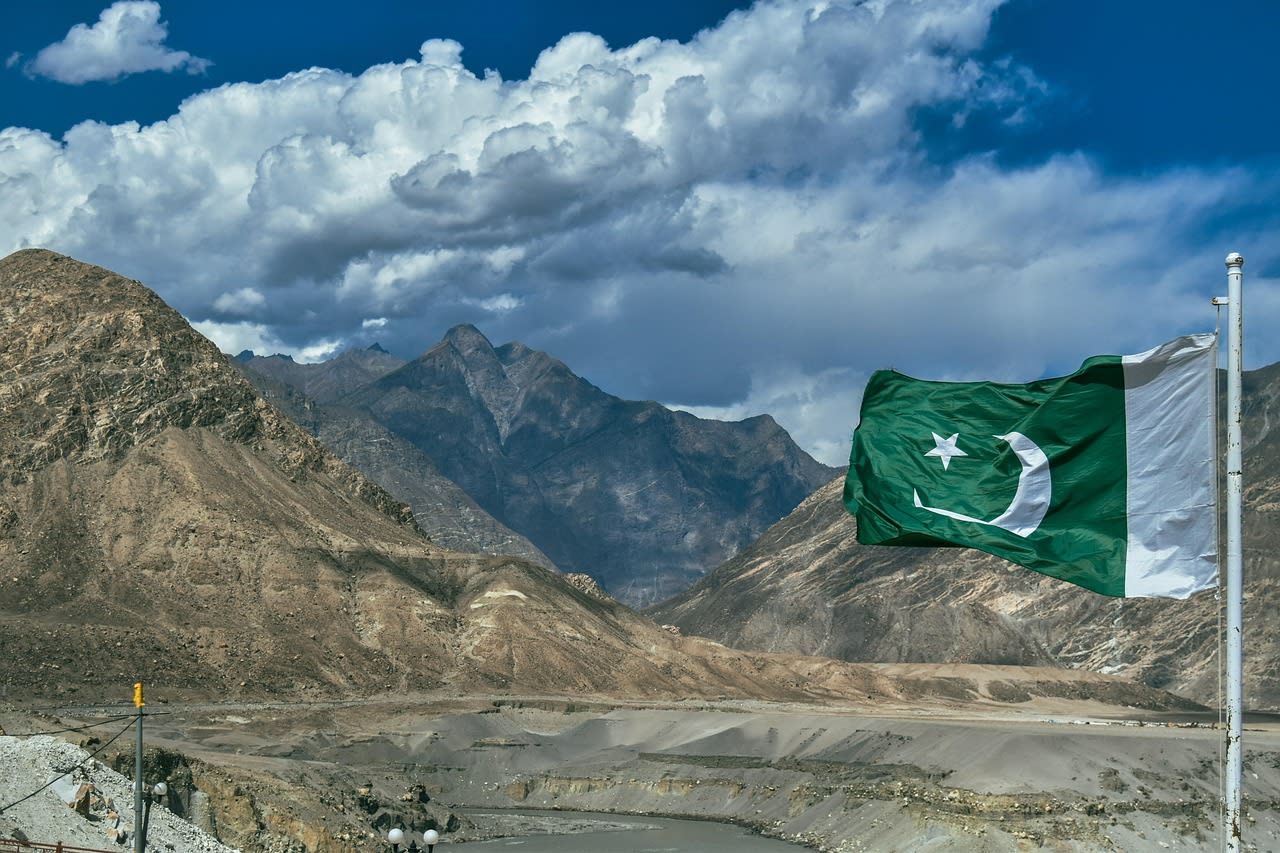
Pakistan ranks 106th out of 122 countries in the Global Hunger Index 2026, scoring 25.5 as food inflation, economic hardship and climate shocks worsen hunger.
ISLAMABAD, Pakistan — Pakistan has ranked 106th out of 122 countries in the Global Hunger Index (GHI) 2026, highlighting persistent food insecurity and serious malnutrition challenges across the country. Pakistan recorded a hunger score of 25.5, placing it in the index’s “serious” hunger category.
The latest findings raise concerns about the impact of economic instability, rising food prices, climate-related disasters and disruptions to food supply chains on vulnerable households. The report also points to stalled progress in reducing hunger across South Asia, with Pakistan and Afghanistan experiencing worsening hunger scores since 2018.
According to the 2026 Global Hunger Index report, Pakistan’s performance reflects the continuing difficulty many families face in accessing sufficient and nutritious food. The findings underscore the need for stronger food security policies, improved nutrition programmes and sustained investment in agriculture and public health.
What Does Pakistan’s Global Hunger Index 2026 Ranking Reveal?
Pakistan’s position at 106th among 122 ranked countries places it among nations facing significant hunger-related challenges. Its score of 25.5 falls within the GHI’s serious hunger classification, which covers scores between 20 and 34.9.
Although Pakistan has made long-term progress compared with its 2000 score of 36.2, the latest results indicate a setback compared with its 2018 score of 24.0.
The figures suggest that improvements achieved over previous decades remain vulnerable to economic shocks, environmental pressures and persistent nutritional inequalities.
The index assesses hunger using four key indicators: undernourishment, child stunting, child wasting and under-five mortality. Together, these indicators provide a broader picture of food availability, nutritional well-being and the consequences of inadequate nutrition.
Undernourishment and Child Malnutrition Remain Major Concerns
The 2026 report highlights several troubling nutrition indicators for Pakistan:
- Undernourishment: Approximately 16.1% of the population does not receive sufficient dietary energy.
- Child stunting: Around 33.6% of children under five experience stunted growth associated with chronic undernutrition.
- Child wasting: Approximately 9.8% of children under five suffer from wasting, an indicator of acute malnutrition.
- Under-five mortality: The reported rate stands at approximately 5.6%, reflecting deaths among children before their fifth birthday.
These figures demonstrate that hunger is not simply a question of whether food is available. Household purchasing power, dietary quality, access to healthcare, sanitation and maternal and child nutrition services also influence nutritional outcomes.
Children are particularly vulnerable because inadequate nutrition during early development can affect physical growth, cognitive development and long-term health.
Economic Pressure and Rising Food Prices Worsen Food Insecurity
Economic hardship remains one of the major challenges affecting food security in Pakistan. Rising prices for essential commodities can reduce the amount of food households can afford, particularly for low-income families already struggling with living expenses.
When food prices rise faster than household incomes, families may reduce meal sizes, purchase less nutritious alternatives or cut spending on healthcare and other essential needs.
Such pressures can increase the risk of undernourishment and make it harder for children and pregnant women to receive adequate nutrition.
Strengthening household purchasing power, improving access to affordable nutritious foods and expanding targeted assistance for vulnerable communities could help address these challenges.
Climate Change and Extreme Weather Threaten Agricultural Production
Climate-related disasters are another important factor affecting food security across Pakistan and neighbouring countries.
Heavy rainfall, flooding and other extreme weather events can damage crops, disrupt transportation networks and affect agricultural livelihoods. These disruptions may reduce food supplies in affected areas while increasing production and distribution costs.
Agriculture remains essential to rural employment and food availability. Protecting crops, improving water management, strengthening early-warning systems and investing in climate-resilient farming practices can help communities better withstand environmental shocks.
Experts and policymakers also face the challenge of ensuring that emergency assistance reaches communities affected by floods, crop losses and other disruptions before food shortages become more severe.
Hunger Crisis Extends Across South Asia
Pakistan’s ranking reflects a wider regional challenge. According to the Global Hunger Index 2026, South Asia continues to face serious hunger-related concerns despite improvements achieved over the longer term.
Afghanistan recorded a score of 28.6, while Pakistan scored 25.5. India recorded 24.1, Bangladesh 19.2 and Nepal 14.5 in the index.
The figures indicate substantial differences in hunger severity across the region, while also highlighting the scale of the challenge facing countries with large populations and persistent nutritional inequalities.
The report estimates that approximately 218 million people across South Asia, including Iran, experienced undernourishment during 2023–2025, based on data from the Food and Agriculture Organization of the United Nations.
Regional cooperation, resilient food supply chains, agricultural investment and better access to maternal and child nutrition services will be important to improving these outcomes.
Global Hunger Trends Show Signs of Reversal
The Global Hunger Index 2026 also warns that progress against hunger is losing momentum worldwide.
The global GHI score increased from 17.6 in 2018 to 18.1 in 2026, signalling a deterioration in the index’s global measure of hunger severity.
The report indicates that hunger has worsened in 32 countries since 2018, while 57 countries are projected to fall short of reaching even the low-hunger category by 2030.
Conflict, extreme weather, economic instability and disruptions to food production and distribution continue to place pressure on vulnerable populations.
These developments threaten progress towards the United Nations Sustainable Development Goal of Zero Hunger, which calls for ending hunger, improving nutrition and promoting sustainable agriculture.
What Needs to Be Done to Improve Pakistan’s Food Security?
Addressing Pakistan’s hunger crisis will require coordinated action from government institutions, humanitarian organisations, agricultural producers and international development partners.
Key priorities include:
- Making nutritious food more affordable: Targeted support for vulnerable households can help families access essential food supplies.
- Strengthening child nutrition programmes: Early screening, nutrition support and accessible healthcare can reduce the risks associated with childhood malnutrition.
- Investing in climate-resilient agriculture: Better irrigation, improved farming methods and disaster preparedness can reduce climate-related crop losses.
- Improving food distribution: Stronger storage, transportation and supply-chain systems can help reduce waste and improve access to food.
- Expanding social protection: Well-targeted assistance can help low-income households withstand inflation and sudden economic shocks.
- Maintaining long-term funding: Consistent investment in food security, healthcare and humanitarian assistance is essential for sustainable progress.
Effective implementation will be crucial to ensuring that improvements in food availability translate into better nutrition and healthier communities.
Conclusion: Pakistan Faces an Urgent Food Security Challenge
Pakistan’s 106th-place ranking in the Global Hunger Index 2026 highlights the continuing challenge of hunger and malnutrition, despite improvements recorded over the longer term.
With a score of 25.5, the country remains in the serious hunger category, while rising food costs, economic uncertainty and climate-related disruptions threaten household food security.
The findings also demonstrate that hunger is a regional and global concern requiring sustained cooperation and evidence-based policies.
For Pakistan, improving access to affordable nutritious food, protecting vulnerable families and strengthening agricultural resilience will be central to reversing recent setbacks. The challenge extends beyond food production: it requires ensuring that people can consistently afford, access and benefit from adequate nutrition.
Source :https://r.search.yahoo.com/_
Follow : https://globalbizinsider.com/