India-US Trade Deal Close to Finalising, Says Marco Rubio: What It Means for Businesses
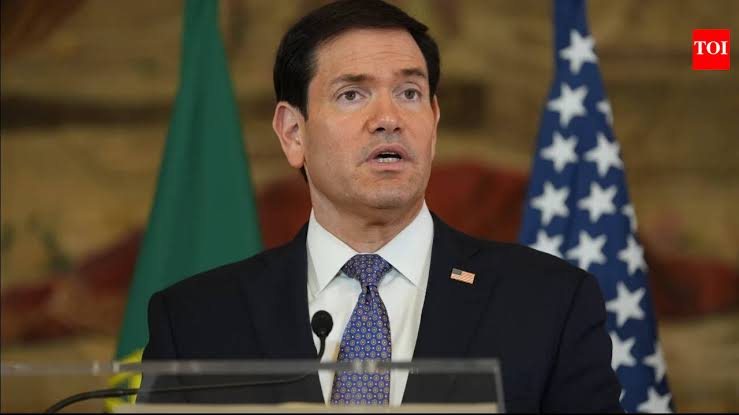
The India-US trade deal is close to finalising, says Marco Rubio. Explore the latest negotiations, tariff concerns and potential impact on businesses.
The India-US trade deal is reportedly close to finalisation, with US Secretary of State Marco Rubio expressing optimism about ongoing negotiations between Washington and New Delhi. His remarks on October 19, 2026, have renewed attention on the proposed bilateral trade agreement, which could influence trade relations, export opportunities and economic cooperation between the two countries.
Rubio's statement comes ahead of his scheduled visit to India on October 20, when discussions with Indian officials are expected to cover trade, energy and wider bilateral cooperation. However, the agreement has not yet been formally concluded, and the final terms remain important for businesses on both sides.
India-US Trade Deal Nears Finalisation
Speaking about the ongoing negotiations, Rubio said the United States was working to finalise a trade agreement with India and was very close to reaching that goal.
The announcement signals progress in discussions between two major economies that have been working to resolve differences over tariffs, market access and other trade-related matters.
The proposed agreement is intended to strengthen economic engagement and provide a clearer framework for businesses operating across both markets. Nevertheless, the final outcome will depend on the completion of negotiations, legal drafting and agreement on the remaining conditions.
India has been seeking a trade arrangement that protects domestic economic interests while improving the competitiveness of
Why the India-US Trade Agreement Matters
The United States is an important trading partner for India, offering a substantial market for Indian goods and services. A bilateral agreement could help create more predictable trading conditions and support commercial relationships between companies in both countries.
For India, improved access to the US market could benefit export-oriented industries, manufacturers and businesses seeking international expansion. For American companies, closer trade ties could provide opportunities to expand commercial activity in India, one of the world's largest consumer markets.
The potential impact will depend on the agreement's final provisions, including tariff rates, product coverage and the treatment of sensitive sectors.
1. Potential Benefits for Indian Exporters
Indian exporters are closely monitoring negotiations because tariffs can influence the prices of their products in overseas markets.
A favourable agreement could improve the competitiveness of Indian goods, support export growth and make it easier for businesses to plan long-term international operations.
Sectors that could pay close attention to the final terms include textiles, engineering goods, pharmaceuticals, electronics and other manufactured products. The actual benefits for each sector will depend on which products receive preferential treatment under the agreement.
2. Greater Clarity on Tariffs
Tariffs have been a central issue in India-US trade negotiations. Businesses need clarity on import duties because these affect product pricing, profit margins, sourcing decisions and supply-chain planning.
According to Reuters reporting on October 15, the framework previously announced by the two countries reduced US tariffs on many Indian goods from 50% to 18%. However, negotiations have continued over the final terms and India's request for competitive treatment compared with other exporting countries.
The final agreement could provide additional clarity on applicable duties and market access, depending on the provisions accepted by both governments.
3. Opportunities for Investment and Business Expansion
Closer trade relations could encourage businesses to explore new partnerships, investment opportunities and cross-border supply chains.
Indian manufacturers may consider expanding production capacity or developing stronger distribution networks to serve international customers. US companies could also explore opportunities in India's manufacturing, technology, infrastructure and consumer sectors.
However, a trade agreement alone does not guarantee new investments. Business decisions will continue to depend on market demand, operating costs, regulatory requirements and broader economic conditions.
Russian Oil and Energy Issues Remain Part of the Wider Discussions
The trade negotiations are taking place alongside broader discussions about energy security and US sanctions related to Russian oil.
Rubio explained that Washington must consider the effects of sanctions decisions on global energy supplies and prices, as well as the difficulties some countries face in obtaining energy from alternative sources. He also connected the ongoing trade negotiations with the wider considerations influencing US policy decisions.
For India, energy security is an important economic priority because fuel prices and import costs can influence inflation, industrial expenses and overall economic activity.
The interaction between trade policy and energy relations highlights the complexity of the negotiations. Both governments need to consider their domestic priorities while working towards an agreement that supports their broader economic and strategic interests.
India Seeks Competitive Terms for Its Exporters
India has emphasised that the final trade arrangement should provide its exporters with a competitive position relative to businesses in other Asian economies.
Indian officials have indicated that the first phase of the agreement has progressed to the legal-drafting stage, while New Delhi continues to seek favourable market access and greater tariff certainty.
The objective is not simply to conclude a deal but to ensure that Indian businesses can compete effectively in international markets. Differences over sensitive agricultural products, market access and tariff treatment have been among the issues surrounding the negotiations.
The remaining details will be important in determining whether the agreement delivers meaningful commercial advantages to Indian exporters.
What Could the Deal Mean for the Indian Economy?
The potential economic effects will depend on the final agreement and how businesses respond to the new trading conditions.
Key areas to watch include:
- Exports: Improved market access could support Indian companies selling eligible goods in the United States.
- Manufacturing: Greater certainty around trade rules could help some manufacturers plan capacity and investment.
- Employment: Export growth and business expansion may create jobs in industries that benefit from the agreement.
- Investment: More predictable commercial relations could support cross-border investment and partnerships.
- Supply chains: Businesses may reassess sourcing, production and distribution strategies as the final terms become clear.
These are potential outcomes rather than guaranteed results. Their scale will depend on the agreement's scope, implementation timeline and wider global economic conditions.
What Happens Next?
Rubio's expected India visit on October 20, 2026, comes at a significant stage in the negotiations. Discussions with Indian officials could help advance cooperation on trade, energy, investment and other bilateral priorities.
The next major development to watch is whether both governments formally conclude the agreement and disclose its final provisions.
Until an official announcement is made, businesses should avoid assuming that all proposed tariff changes or market-access benefits are already in force. Exporters and importers should continue monitoring government announcements and applicable trade regulations.
Conclusion
The latest statement from Marco Rubio suggests that the India-US trade deal is approaching a potentially important milestone. The agreement could strengthen commercial relations between the two countries and create opportunities for exporters, manufacturers and investors.
At the same time, important details concerning tariffs, market access and implementation remain crucial. The final terms will determine how much practical benefit businesses receive and which industries stand to gain the most.
For companies engaged in international trade, the coming announcements from New Delhi and Washington will be worth watching closely.
Source :https://shorturl.at/XZiWZ
Follow The Global Biz Insider .