Macron Rejects French Interior Minister’s Resignation
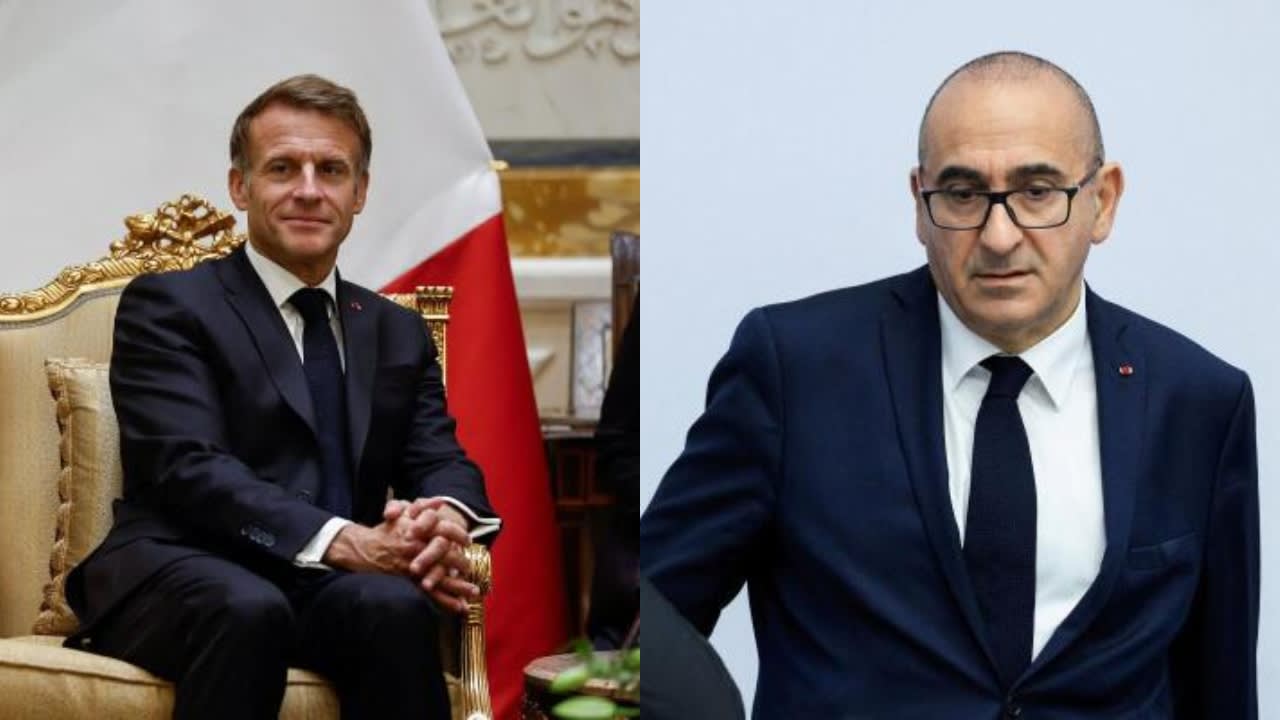
French President Emmanuel Macron rejects Interior Minister Laurent Nuñez’s resignation after violent protests, calling for improved security measures .
French President Emmanuel Macron has rejected the resignation of Interior Minister Laurent Nuñez following a wave of violent protests, riots and looting across several French cities. The decision comes as the government faces mounting criticism over security preparedness and its handling of demonstrations linked to rising living costs and concerns about public services.
According to a statement from the Élysée Palace, Nuñez submitted his resignation on Sunday, October 18. However, Macron declined to accept it, citing the need for continued leadership and coordination within the country’s law enforcement agencies during the ongoing crisis.
The French president has also called for greater transparency regarding intelligence and planning failures that contributed to the unrest, while directing the interior minister to introduce new operational measures to help security forces respond more effectively to violent incidents.
Why Did Laurent Nuñez Offer His Resignation?
Nuñez offered to step down after demonstrations across France escalated into violence, property damage and widespread looting. The unrest placed the country’s security arrangements under intense scrutiny and prompted questions about whether authorities had adequately anticipated the scale of the protests.
The interior minister acknowledged responsibility for the situation and said that preventing a recurrence of such incidents was now a priority. He also recognised that authorities needed to improve their ability to anticipate demonstrations and respond to rapidly moving groups involved in violent activities.
Macron’s refusal to accept the resignation indicates that the government intends to maintain its existing security leadership while addressing the shortcomings identified during the unrest.
Violent Protests Spread Across French Cities
Several French cities, including Paris, Lyon and Marseille, experienced violence and vandalism during the demonstrations. Businesses were looted, public property was damaged and confrontations between demonstrators and police intensified the security crisis.
The protests were associated with wider public dissatisfaction over the cost of living, rising expenses and concerns about the condition of schools and public services. Although the demonstrations reflected broader social and economic grievances, some gatherings were marked by rioting and criminal damage.
The unrest has placed additional pressure on the French government to restore order, protect businesses and public infrastructure, and ensure that peaceful demonstrations do not escalate into widespread violence.
Macron Calls for Greater Security Preparedness
While rejecting Nuñez’s resignation, Macron stressed the importance of addressing failures in advance planning and intelligence gathering. The president has instructed the interior minister to ensure that the problems identified during the unrest are examined transparently.
He has also called for new approaches to policing on the ground, particularly to help law enforcement agencies respond to groups that move quickly between locations and engage in vandalism or looting.
The government now faces the challenge of improving public security without overlooking the economic and social concerns that contributed to the demonstrations.
Political Pressure Mounts on the French Government
The decision to retain Nuñez comes at a sensitive time for Macron’s administration. Violent protests can intensify political criticism, particularly when authorities face questions about public safety, emergency preparedness and the protection of commercial establishments.
By refusing the resignation, Macron has prioritised continuity in the leadership of France’s security forces. At the same time, his demand for transparency suggests that the government recognises the need to examine how the situation developed and where its response fell short.
The handling of the crisis could influence public confidence in the government’s ability to manage unrest and respond to the concerns of citizens.
What Happens Next?
The immediate priority for the French government is to restore order, prevent further violence and strengthen coordination among law enforcement agencies. Nuñez is expected to focus on improving operational responses and addressing the planning and intelligence weaknesses highlighted by the recent events.
Authorities will also need to balance security measures with the public’s right to peaceful protest. Addressing the wider concerns surrounding living costs, education and public services may remain an important part of the government’s response.
For Macron, the decision to retain the interior minister represents an effort to maintain stability within the security administration during a period of heightened pressure. The effectiveness of the measures introduced in the coming days will be closely watched as France seeks to move beyond the unrest.
Conclusion
French President Emmanuel Macron’s rejection of Laurent Nuñez’s resignation underscores the government’s decision to maintain continuity in security leadership following the violent protests. However, the episode has raised important questions about intelligence gathering, protest management and the protection of public and private property.
As France works to restore order, the government faces the dual challenge of improving law enforcement preparedness and responding to the underlying economic and social concerns driving public dissatisfaction.
Source: https://sl1nk.com/57tetb2
Follow The Global Biz Insider