South Africa Contaminated Water Outbreak: 400 Fall Ill
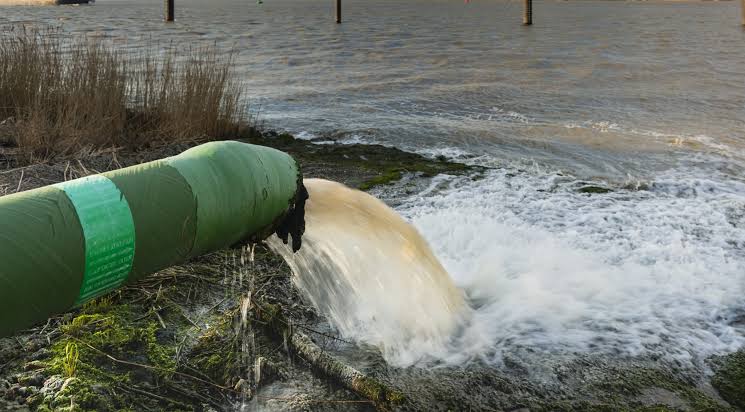
The South Africa contaminated water outbreak has sickened over 400 people near Pretoria, with E. coli and other pathogens detected in water supplies.
A South Africa contaminated water outbreak has left more than 400 people ill in Tshwane, the metropolitan area that includes Pretoria, after residents were exposed to unsafe drinking water. Health officials reported that 408 cases were detected between October 7 and October 18, with most of those affected being children under the age of four.
Residents have reported symptoms including stomach cramps and diarrhoea, prompting visits to local hospitals. Although no deaths have been reported, authorities have raised concerns after laboratory testing detected high levels of E. coli and several other disease-causing pathogens in water samples.
Contaminated Water Linked to Local Treatment Facility
South Africa's departments of water and health said preliminary laboratory findings indicate that the illnesses were caused by exposure to contaminated water supplied by a local water treatment facility. The facility serves several communities east of Pretoria.
Laboratory tests detected norovirus, Campylobacter, Shigella and other pathogens associated with gastrointestinal illnesses. These organisms can cause symptoms such as diarrhoea, abdominal cramps, nausea and vomiting.
Investigators also found indications that local authorities had failed to warn residents promptly about the contaminated water. The findings have raised questions about public health communication and the monitoring of municipal water supplies.
Officials have clarified that cholera bacteria have not been detected in the latest outbreak.
Authorities Warn Residents Against Drinking Tap Water
Authorities have declared the affected water supply unfit for human consumption and instructed residents not to use it for drinking or cooking. Residents have been advised to use the water only for flushing toilets while emergency measures are implemented.
Water tankers have been dispatched to provide clean drinking water to affected communities. Officials have also advised residents to discard previously stored water and disinfect water containers using household bleach according to appropriate safety instructions.
The warning is particularly important for households with young children, who can be vulnerable to dehydration caused by diarrhoea. Residents experiencing severe symptoms should seek medical attention promptly.
Previous Waterborne Disease Outbreaks Raise Concerns
The latest incident has renewed concerns about water quality and sanitation in Tshwane, an area that has experienced several waterborne disease outbreaks in recent years.
In 2023, a cholera outbreak in Hammanskraal, a township north of Pretoria, killed 29 people. The outbreak was linked to inadequate water purification practices.
In 2025, officials confirmed 48 typhoid cases in the same area east of Pretoria. The source of that outbreak remained unclear.
Although cholera has not been detected in the current incident, the presence of E. coli and other pathogens highlights the risks associated with unsafe drinking water and inadequate water treatment.
Public Health and Water Safety Under Scrutiny
The outbreak has highlighted the importance of effective water treatment, routine quality testing and timely communication during public health emergencies. Contaminated drinking water can spread infectious organisms quickly, placing entire communities at risk.
Authorities will need to investigate the source of the contamination, ensure the safety of the affected water supply and maintain access to clean drinking water while corrective measures are undertaken.
For residents, following official water-use instructions and maintaining proper hygiene remain essential precautions until the supply is confirmed safe.
Conclusion
The South Africa contaminated water outbreak has affected hundreds of residents near Pretoria, including a significant number of young children. While no deaths have been reported, the detection of multiple pathogens has prompted urgent public health measures.
The incident underscores the need for reliable water treatment systems, transparent communication and stronger monitoring to prevent future waterborne disease outbreaks.
Source :https://www.bbc.com/news/articles/cvrly550780po
Follow The Global Biz Insider .