WFP Cuts Gaza Food Aid for 500,000 People Amid Funding Crisis
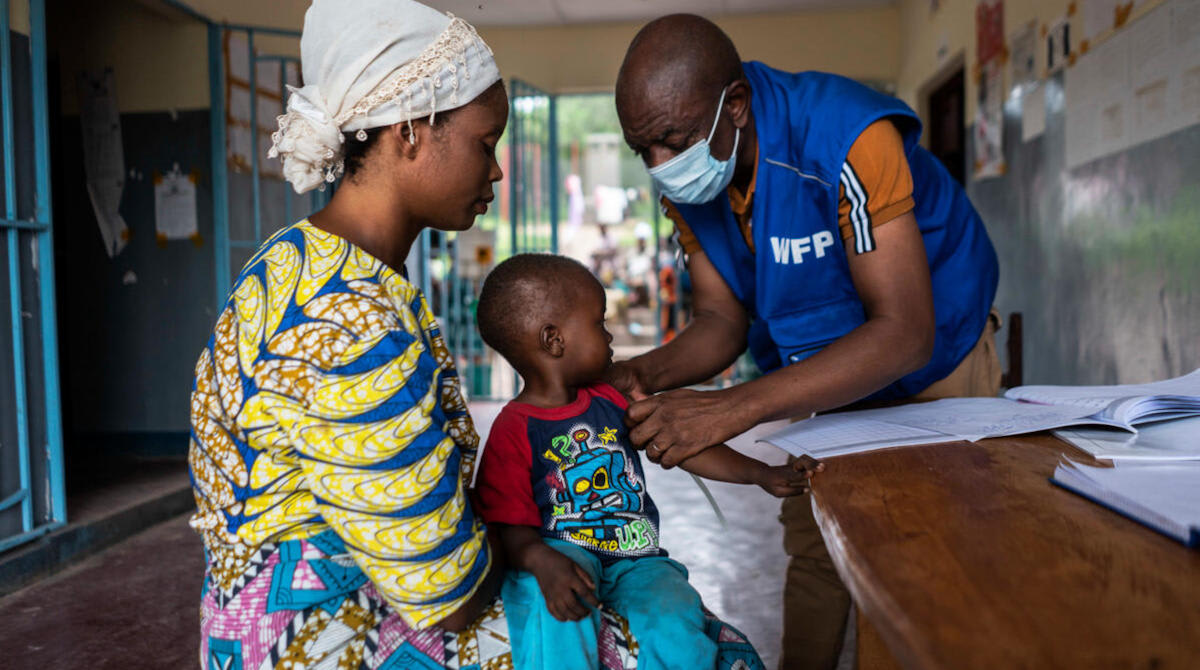
The WFP will end food assistance for 500,000 people in Gaza amid funding shortages, raising concerns over food security and humanitarian relief.
WFP to End Food Aid for 500,000 People in Gaza Amid Funding Shortfall
The United Nations World Food Programme (WFP) has announced that approximately 500,000 people in Gaza will lose access to its monthly food assistance due to a severe funding shortfall. The decision comes as humanitarian needs remain high and many families continue to depend on external support to meet their basic food requirements.
The announcement highlights the growing financial pressure on humanitarian organisations working to address food insecurity in the region. Despite efforts to sustain emergency relief programmes, limited funding is forcing aid agencies to reduce the number of people they can support.
WFP Reduces Food Assistance Coverage in Gaza
According to reports published on October 19, 2026, the WFP is cutting assistance for around half a million people because it does not have sufficient resources to maintain its previous level of operations.
The reduction will bring the number of people receiving WFP food or cash assistance in Gaza down to approximately 1.1 million. The organisation had previously been supporting a larger population through its humanitarian programmes.
Food assistance remains essential for households facing unemployment, displacement, limited access to essential goods and the loss of regular sources of income. For vulnerable families, the withdrawal of monthly support could make it increasingly difficult to afford adequate food.
Funding Shortages Put Humanitarian Operations Under Pressure
The funding gap illustrates a broader challenge facing international humanitarian organisations: the growing difference between emergency needs and the financial resources available to meet them.
Aid programmes require consistent funding to purchase food, transport supplies, maintain distribution networks and provide cash assistance to affected households. When contributions fall short, organisations may be forced to reduce rations, suspend programmes or prioritise assistance for the most vulnerable groups.
The WFP has continued to call for additional financial support to sustain its operations in Gaza and the wider Palestinian territories. Without sufficient contributions, maintaining the scale of emergency assistance will remain difficult.
Food Insecurity Remains a Major Concern
Gaza continues to face serious food security challenges following prolonged conflict, widespread displacement and damage to livelihoods and essential infrastructure.
For many households, access to food depends not only on humanitarian deliveries but also on the availability of affordable goods in local markets. Disrupted supply chains, limited purchasing power and restricted economic activity can make basic necessities difficult to obtain.
The withdrawal of assistance from hundreds of thousands of people could increase pressure on families already struggling to cover everyday expenses. Children, older people and households with limited income are particularly vulnerable when food support becomes less accessible.
International Support Remains Critical
The latest WFP announcement underscores the importance of predictable funding for emergency relief programmes. International donors, governments and humanitarian partners play a significant role in helping aid organisations maintain food distribution and protect vulnerable communities.
However, funding alone cannot resolve every challenge. Humanitarian operations also depend on reliable access for supplies, safe distribution arrangements and the availability of essential goods.
Sustained assistance, improved access to food and opportunities for households to restore their livelihoods will be important to reducing long-term dependence on emergency relief.
What Happens Next?
The future of food assistance in Gaza will depend partly on whether additional funding can be mobilised to support humanitarian operations. Further reductions could place more pressure on communities that continue to rely on food parcels, hot meals and cash assistance.
For the WFP and its partners, the immediate challenge is to preserve essential support while operating within limited financial resources. For affected families, continued access to food assistance remains a critical concern as humanitarian needs persist.
The latest development serves as a reminder that funding shortages can have immediate consequences for people who depend on international relief programmes for their daily needs.
Source : The Hindu
Follow The Gloabal Biz Insider .